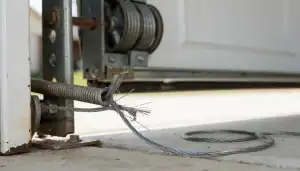

Your garage door is one of the hardest-working components of your home. It opens and closes hundreds of times a year, and the spring system is the backbone that makes smooth, safe operation possible. When something goes wrong with your springs, the entire garage door system comes to a standstill. Choosing the correct spring is not just about getting the door to open again. It is about protecting the other components of your system, extending the lifespan of your opener, and keeping your household safe.
This blog breaks down everything you need to know about how to choose the right garage door spring. Whether you are researching before calling a professional or simply trying to understand what is involved in garage door spring replacement, you will find the answers here.
Why Getting the Right Garage Door Spring Matters
Springs do the heavy lifting in your garage door system. With each opening and closing cycle, the springs store and release energy to help lift and lower the garage door. Without the correct spring, your opener has to work harder than it should, other components wear prematurely, and the door itself may not operate safely.
Installing the wrong door spring is one of the most common mistakes homeowners make. A spring that is too weak cannot properly lift the door. A spring that is too strong can cause the door to shoot upward unexpectedly. Neither scenario is safe, and both lead to costly repairs. Understanding what goes into selecting the right spring will help you have a more productive conversation with your technician and ensure the job is done correctly the first time.
The Two Main Types of Garage Door Springs
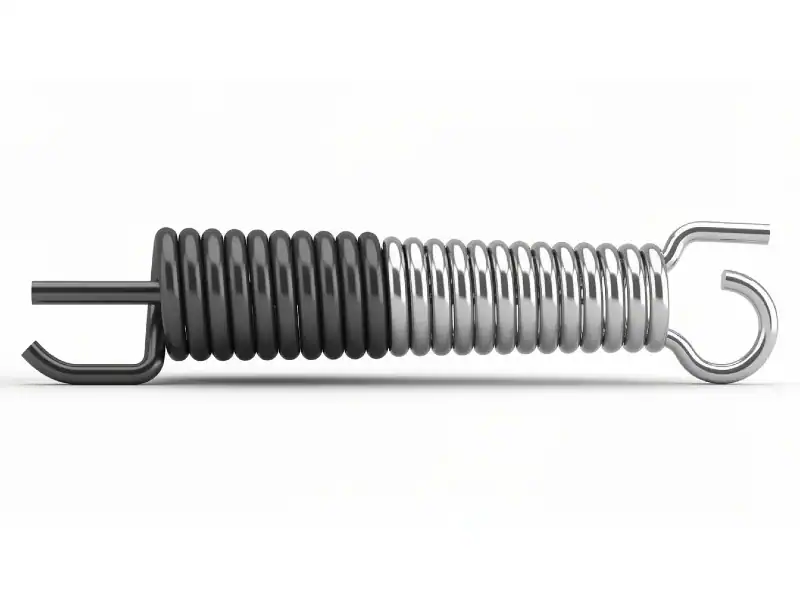
Before anything else, you need to identify which type of spring your garage door uses. There are two main types found in residential garages: torsion springs and extension springs. These are fundamentally different in how they work, where they are mounted, and how they should be replaced.
Torsion Springs
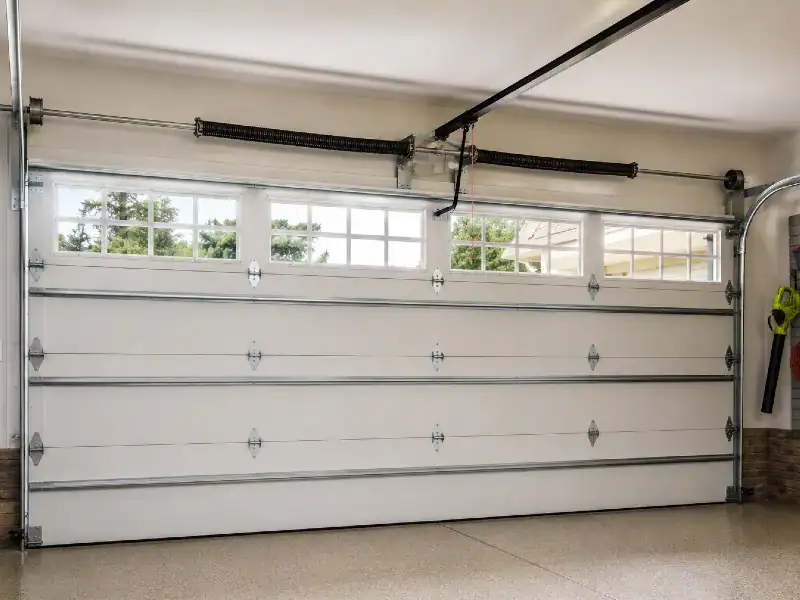
Garage door torsion springs are the most common choice for modern residential garages. They are mounted horizontally on a metal tube above the garage door opening, directly above the door when it is in the closed position. The torsion system works by storing and releasing torque as the door moves up and down. When the door closes, the spring winds up with tension. When it opens, that stored energy unwinds to assist the lift.
Most garage doors with torsion systems use one or two springs depending on the size and weight of the door. Heavier doors and wider double-car doors typically require two springs to distribute the load evenly. Standard torsion springs are color-coded at the winding cone to indicate their wire size and load capacity, which makes identifying them slightly easier during replacement.
Torsion systems are generally preferred for smoother operation, longer lifespan, and safer failure. When a torsion spring breaks, it tends to stay in place on the shaft rather than snapping loose, which reduces the risk of injury compared to extension springs.
Extension Springs
Extension springs are mounted on both sides of the garage door along the horizontal tracks. Unlike torsion springs, they work by stretching and contracting rather than twisting. When the door is closed, the springs are stretched under tension. As the door opens, the tension releases and the springs contract to assist the lift.
Extension springs are common in older homes and garages with low headroom where there is not enough clearance for a torsion system. They typically come in pairs, with one spring running along each side track. Because they operate under significant stretch tension, extension springs should always be fitted with a safety cable running through the center of each spring. If a spring breaks without this cable in place, it can snap and fly loose at high speed, causing serious damage or injury.
How to Identify Your Current Spring System
Before you can choose replacement springs, you need to confirm which system your garage has. The identification process is straightforward.
Stand inside your garage and look above the door opening. If you see a horizontal rod or metal tube running across the top of the door frame with one or two coiled springs wound around it, you have a torsion system. If the springs are mounted horizontally along the sides of the garage door and run parallel to the ceiling tracks, your system is equipped with extension springs.
For torsion systems, also check which side each spring is wound toward. A spring on the left side of the door is typically right-wound (the coils wind clockwise when viewed from the winding cone end), and a spring on the right side is typically left-wound. Getting the wind direction wrong when installing replacement springs will prevent the system from working correctly and can cause damage.
How to Measure a Garage Door Spring for Replacement
Accurate measurements are critical when selecting replacement springs. Even a small error in wire size, length, or inside diameter can result in a spring that does not fit the system or fails to support the door properly.
Measure the Wire Size
The wire size determines how strong the spring is and how much weight it can support. To measure it accurately, count 20 coils of the spring and measure the length of those 20 coils in inches. Then divide that number by 20 to get the diameter of the wire. This coil-count method is more reliable than trying to measure a single coil with calipers, because small measurement errors are multiplied when selecting from a range of available wire sizes.
Even a slight difference in wire size changes the spring’s performance significantly. Using a spring wire that is too thin means the spring will be too weak. Using wire that is too thick makes the spring too strong for the door weight.
Measure the Overall Length
Measure the overall length of the spring from one end to the other, not including the cones at each end if it is a torsion spring. For a broken spring, lay the two pieces end to end and measure the combined length. The overall length affects how much torque or tension the spring can generate through its range of motion.
Measure the Inside Diameter
The inside diameter of a torsion spring must match the diameter of the metal tube it sits on. Most residential garages use springs with an inside diameter of either 1.75 inches or 2 inches, though some systems use 2.5-inch springs. Selecting the wrong inside diameter means the spring either will not fit over the rod or will be too loose and will not transfer torque properly.
For extension springs, the inside diameter needs to match the attachment hardware and the physical space available on the track assembly.
Check the Wind Direction
For torsion springs, confirm whether you need a left-wound or right-wound spring. Look at the winding cone end of your existing spring. If the coils wind to the right (clockwise) when viewed from the cone end, it is a right-wound spring and is typically on the left side of the door. If the coils wind to the left (counterclockwise), it is a left-wound spring and is typically on the right side. When replacing torsion springs, the wind direction must match exactly.
Match the Spring to Door Weight and Size
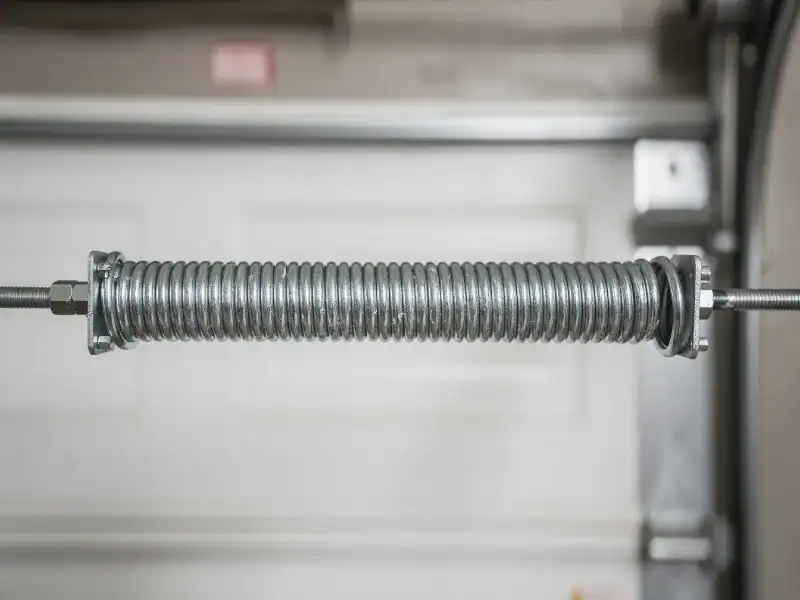
Spring selection is not complete without matching the spring specifications to the actual weight of your door. This is the step many people skip, and it is often the reason a replacement spring fails prematurely or does not allow the door to function correctly.
Most garage door manufacturers list the door weight on a label, often found on the inside of one of the top door panels. If you cannot find the model number or manufacturer label, a professional technician can weigh the door directly. Standard single-panel doors for residential garages typically weigh between 100 and 150 pounds. Double-wide doors or those made from wood can weigh significantly more.
The spring must be rated for the specific door weight and designed to complete the correct number of cycles. Most standard torsion springs are rated for 10,000 cycles, while heavy-duty options offer 25,000 or more. One cycle equals one open and one close. For a household that uses the garage two to four times per day, a 10,000-cycle spring may last seven to ten years, while a high-cycle spring could last considerably longer.
If you are unsure about your door’s weight, always consult a professional. Installing a spring that is not matched to the door’s weight is one of the fastest ways to damage your garage door system.
Torsion vs. Extension Springs: Which Is Right for Your Garage?
When homeowners have a choice, most professionals recommend that torsion vs. extension springs comparisons lean toward torsion as the better long-term investment. Here is why.
Torsion systems offer smoother operation because the torque is distributed evenly across the rod and cable drums on both sides of the door. This means the door rises and lowers in a controlled, level motion rather than the side-to-side imbalance that can develop with worn extension springs. Heavier doors in particular benefit from the stability of a torsion system.
Extension springs, while functional and more affordable upfront, require more components to operate safely, including pulleys, cables, and safety cables on each side. More components mean more opportunities for wear and failure. Extension spring systems also tend to produce more vibration and noise over time.
That said, not every garage can accommodate a torsion system. If your garage has very low headroom, or if the existing framing does not allow for torsion hardware to be mounted above the door opening, extension springs may be the only viable option. A qualified technician can assess your space and recommend the correct system for your situation.
Signs You May Have the Wrong Spring
Sometimes a garage door is operating with the wrong spring already in place, either installed incorrectly by a previous homeowner or replaced with a non-matching part. Knowing the warning signs helps you identify the problem quickly.
Watch for any of the following symptoms. The door feels very heavy when you try to lift it manually after disconnecting the opener. The door does not stay in place when you raise it halfway and let go, dropping quickly or shooting upward. The opener struggles or strains visibly when raising the door. The door moves unevenly from side to side. You hear grinding, popping, or banging during operation that was not there before. You notice the cables are slack or falling off the cable drums.
If your garage door opens partially and then reverses without any obstruction in the path, this is also a sign the spring tension is off. The opener’s safety sensors may be interpreting the excess resistance as an obstacle and reversing the door to prevent damage.
Should You Replace One Spring or Both?

If you have two springs and one breaks, the practical recommendation is to replace both at the same time. Both springs have been in use for the same number of cycles. Even if the other spring has not broken yet, it is likely near the end of its service life. Replacing only the broken one means the two springs will have different tension levels, which causes uneven lift and premature wear on cables, rollers, and the bottom roller brackets.
Replacing existing springs as a matched pair also allows you to upgrade to higher-cycle springs at the same time, saving you from another repair in the near future.
Common Mistakes to Avoid When Replacing Garage Door Springs
Even experienced DIYers make avoidable mistakes during spring replacement. Here are the most frequent issues.
Choosing a spring based on appearance alone, without measuring wire size, length, and inside diameter, almost always results in a poor fit. A spring that looks right visually can still be the wrong size by small margins that matter greatly under load.
Installing mismatched springs on a two-spring torsion system creates uneven tension across the door. Both springs must have identical specifications for balanced lift.
Ignoring wind direction on torsion springs is a mistake that makes the system inoperable or dangerous. A right-wound spring installed where a left-wound spring belongs will resist rather than assist the door.
Skipping safety cables on extension springs is a serious safety hazard. If an extension spring breaks without a safety cable running through its coils, the spring can launch across the garage with tremendous force.
Attempting to replace springs without the proper winding bars and tools increases the risk of serious injury. The winding cone is under extreme tension and can cause crushing injuries if it slips unexpectedly.
Safety Considerations for Garage Door Spring Replacement
This section is important. Garage door springs are among the most tension-loaded components in any home. A torsion spring on a standard residential garage holds enough stored energy to cause severe injury or death if it is released suddenly and unexpectedly.
Professional garage door technicians train specifically on how to safely wind and unwind torsion springs using calibrated winding bars. They understand how to release tension in controlled increments and how to handle unexpected spring breaks without putting themselves or others at risk. The tools they use and the knowledge they carry are specifically designed for this job.
For homeowners with strong mechanical skills and the correct tools, minor spring adjustments may be manageable. However, a full spring replacement involves significant risk and should not be attempted without proper training, tools, and safety precautions. The cost of professional spring replacement is modest compared to the cost of medical care or property repair following an accident.
If you are not certain you can complete the job safely, contact a licensed garage door company. The investment in professional service is well worth it.
When to Call a Garage Door Professional
Call a professional technician when your spring breaks and your garage door will not open. Call when you are unsure of your door’s weight or the correct spring specifications. Call when you notice cables that have come off the cable drums, as this is often related to spring failure and creates additional hazards. Call when your door is moving unevenly or the opener is laboring. Call any time the job feels beyond your comfort level or skill set.
A qualified technician can inspect your entire system, confirm the correct spring dimensions, identify any worn components, and complete the replacement safely. Many companies, including The Garage Door Company in Edmond, Oklahoma, offer same-day service so you are not left waiting with a non-functional garage.
Choosing the Right Garage Door Spring with Confidence
Choosing the right garage door spring comes down to knowing your system, taking accurate measurements, and matching the spring specifications to your door’s weight and cycle requirements. Skipping any one of these steps creates risk, both for the safety of your household and the longevity of your garage door system.
If you are in the Edmond, Oklahoma area and need help with garage door spring replacement or any other garage door repair, The Garage Door Company is ready to help. Our technicians provide upfront pricing, same-day service, and the expertise needed to get your door operating safely and smoothly again. Reach out today for a free estimate.