
A garage door is easy to overlook when thinking about home energy efficiency. Yet, it is often one of the largest openings in a home, so outside temperatures can have a noticeable effect on the garage. During an Oklahoma summer, heat can build behind a sun-facing door. In winter, cold air can settle into the space and make adjacent rooms less comfortable.
Energy-efficient garage doors help slow that exchange. They will not turn an unconditioned garage into a controlled living space, but the right door can reduce heat transfer, limit drafts, and improve thermal comfort. At The Garage Door Company, we help homeowners in Edmond and Oklahoma City compare garage door materials, insulation levels, styles, and installation options without complicating the decision.
Why Garage Door Energy Efficiency Matters
An attached garage shares walls, a ceiling, or both with the home. When the garage becomes extremely hot or cold, heat can transfer through shared walls and ceilings, affecting nearby rooms. HVAC systems may then use more energy to maintain comfort, especially when air leaks exist around the entry door.
A poorly sealed or non-insulated garage door can contribute to energy loss by allowing unwanted heat flow and outside air into the garage. Worn seals can also increase air leakage around the edges of the door.
Heat naturally moves from warmer areas toward cooler ones. In winter, warm air from the garage or nearby living space can be affected as heat escapes toward colder areas. In summer, insulation allows less heat to move inward from outside. Better insulation and sealing help prevent heat transfer and reduce energy waste. Over time, better insulation may help save energy and keep heating bills more manageable. It may also contribute to lower energy bills, although actual savings depend on the home, climate, and how the garage is used.
What Makes an Insulated Garage Door Effective?

The best energy-efficient doors combine a strong insulated core with tight joints, dependable weather seals, and professional installation. Insulation cannot do all the work. A door with impressive specifications may still perform poorly if it does not close evenly or air leaks remain around the perimeter.
Garage door insulation is commonly made from polystyrene or polyurethane foam. Polystyrene panels provide a practical improvement over a hollow door. In many insulated doors, polyurethane insulation is created by injecting polyurethane foam between the layers, where it expands and bonds to the surrounding surfaces. This dense insulated core often provides higher R-values and adds rigidity to the door.
An insulated steel door with high-performance insulation is popular because it combines thermal performance with durable materials and manageable upkeep. Aluminum construction can create a modern appearance, but homeowners should ask about insulated glass and thermal breaks. These key features help reduce heat transfer through the metal framing.
Understanding R-Value and U-Factor
The R-value describes resistance to heat flow. In simple terms, a higher R-value generally indicates greater resistance to heat flow and better door insulation properties within the tested section. A higher R-value may help reduce heat loss and support energy savings, but actual results also depend on the door’s seals, installation, construction, and how the garage is used. An R-value of 12 provides a good level of insulation for many homes, but the ideal rating depends on the climate and whether the garage is attached to the living space. The U-factor looks at heat transfer through the complete door assembly. A lower U-factor generally means the full door provides better thermal performance.
Both numbers are useful, but they are not interchangeable. Panel joints, windows, perimeter seals, and the frame can change how the complete overhead door performs. When comparing efficient garage doors, look beyond one large number on a brochure. Ask what the rating covers, which insulation type is used, and whether the complete door has effective joints and perimeter seals.
The Garage Door Company can walk you through those differences during a consultation. Our goal is to help you choose the right garage door for your home, not simply the model with the longest feature list.
Sealing the Gaps Around the Door
Even a well-insulated garage door cannot perform at its best when gaps remain around the opening. A worn bottom seal, damaged side weatherstripping, poor alignment, or an uneven floor may allow outside air, dust, and moisture into the garage. On a windy Oklahoma day, those openings become easy paths for air infiltration.
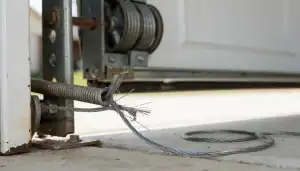
Good sealing starts with the bottom seal and continues around the top and sides. Section seals between panels also matter. If daylight is visible around a closed door, the current door may need adjustment, new weather seals, or replacement parts. During a garage door repair or maintenance visit, our technicians can inspect these areas and identify problems affecting the door’s seal, safety, and long-term performance.
The entry door between the garage and home also deserves attention. Homeowners can also check the weatherstripping around the entry door and have visible gaps in shared walls or ceilings evaluated by an appropriate professional. These practical tips support the insulated garage door instead of asking one product to solve every source of energy loss.
Choosing Materials, Windows, and Everyday Features
Common garage door materials include steel, aluminum, wood, fiberglass, and composite products. The right choice depends on maintenance expectations, appearance, climate exposure, and budget. Steel works well for many Oklahoma homes because it can hold an insulated core while offering many finishes. Wood brings natural character and curb appeal but requires more care. Glass and aluminum doors look striking, though their thermal performance depends on the frame, glazing, and thermal breaks.
Windows bring daylight into the garage and may reduce artificial lighting during the day. For better insulation, consider insulated glass and limit large areas of standard glass. For a garage used after dark, a modern opener with LED lighting can also provide bright, efficient illumination without adding much energy use.
Many homeowners focus only on the panels, but hardware and fit matter too. A properly aligned and balanced overhead door closes evenly, maintains better contact with its seals, and places less unnecessary strain on the opener.
Can You Improve an Existing Garage Door?

Not every efficiency project begins with replacement. If an existing garage door is structurally sound, new perimeter seals, a bottom seal, and targeted repairs may reduce air leaks. Some doors can also accept insulation materials, but added weight must be considered. The springs, tracks, hinges, and opener were designed to handle a certain load, so adding insulation without checking the door’s balance can create performance and safety problems.
A professional inspection can show whether improving the current door makes sense. In some cases, repairs and sealing are enough to reduce heat loss and improve potential energy savings without replacing the entire door. In other cases, an older, damaged, or poorly fitting door may never provide the same insulation and sealing as a purpose-built insulated model.
Find the Right Energy-Efficient Garage Door
Energy-efficient garage doors are especially valuable for an attached garage, a garage below a bedroom, or a space used for work, exercise, laundry, or storage. They can help maintain a steadier garage temperature, reduce heat transfer to adjacent rooms, and limit unnecessary energy loss. With product selection and professional installation, your garage door can deliver comfort, curb appeal, and dependable performance for years.
At The Garage Door Company, we install, repair, and maintain residential garage doors throughout Edmond and the Oklahoma City area. As a local overhead door company, we can evaluate your garage, explain the available insulation options, and recommend a door that balances energy efficiency, durability, design, and cost. Contact us today at
(405) 261-8389 for a free estimate. We will help you compare insulated garage doors and choose an option that fits your home, budget, and Oklahoma weather.