
If you have ever wondered how often should you replace garage door springs, the short answer is that most springs need replacement about every 7 to 10 years, though heavy daily use can wear them out in as little as 3 to 5 years depending on the spring type. It is one of the most common questions we hear from homeowners across Edmond and the surrounding area because garage door springs do the lifting that keeps the door operating safely and smoothly, and a worn spring can lead to sudden failure, injury risk, and more expensive repairs. At The Garage Door Company, we want to help you understand garage door spring lifespan, the difference between torsion and extension springs, the warning signs of wear, basic maintenance that can extend spring life, and when a repair becomes a job for a trained technician instead of a DIY fix.
Why Garage Door Springs Matter So Much
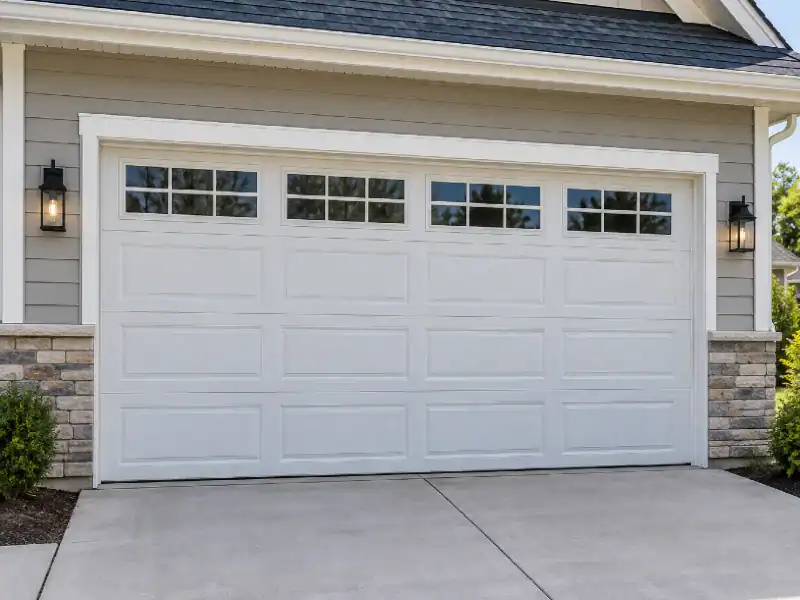
Your garage door springs carry the door’s weight every single time it opens or closes. A standard residential garage door can weigh a few hundred pounds, and without properly installed and functioning springs, that weight would be nearly impossible to lift by hand. The springs store and release tension to counterbalance the door, so smooth operation depends on them being in good condition.
When springs are working properly, you barely notice them. When they start failing, you will notice right away, because the door may start doing more of the heavy lifting as the springs lose their counterbalance. Uneven door movement, a door that feels heavy, or a door that gets stuck halfway are all key signs that something in your garage door system needs attention.
How Long Do Garage Door Springs Last?
On average, garage door springs last 7 to 10 years with proper maintenance, though this can vary quite a bit depending on usage and the type of spring installed. Manufacturers do not actually rate springs in years. Instead, they rate them in cycles. One cycle equals one full opening and closing of the door. This matters because a household with frequent use will burn through cycles much faster than a household that only opens the garage door once or twice a day.
This is why two homes with identical garage doors can have very different experiences with their springs. High usage of garage doors can lead to springs needing replacement in as little as 3 to 5 years, while lighter use can stretch that lifespan out much further. Several factors affect how quickly your springs wear down, including how often the door is used, the weight of the door itself, the climate you live in, and whether the springs were installed correctly in the first place.
Torsion Springs vs. Extension Springs
There are two primary types of garage door springs used in residential systems: torsion springs and extension springs. Understanding the difference helps explain why one garage door might need spring replacement more often than another.

Torsion springs are mounted above the garage door, usually on a metal shaft that runs horizontally across the top of the opening. They twist to create tension, which is why they are called torsion springs. This design gives torsion springs a longer lifespan than extension springs, along with smoother operation and better control over the door as it moves. Standard torsion springs are typically rated for 10,000 to 15,000 cycles, and high-cycle torsion springs can be rated for 25,000 to 50,000 cycles for homeowners who want a longer lifespan and less frequent replacement.
Extension springs run along both sides of the garage door, above the horizontal tracks. They stretch and contract to counterbalance the door instead of twisting. Extension springs typically last 5,000 to 10,000 cycles, which generally translates into a shorter lifespan compared to torsion springs. They are also more prone to sudden failure if they are not properly maintained, since a broken extension spring can release its tension quickly and unexpectedly.
Neither type is necessarily wrong for every home, but if you are due for a spring replacement anyway, it is worth talking to our team about whether upgrading to torsion springs, or to high-cycle torsion springs, makes sense for your household’s frequent use.
Common Signs of Failing Springs
Knowing the warning signs of failing springs can save you from a sudden spring failure at the worst possible time, like when you are running late for work or trying to get the car out before a storm. Here are some of the most common signs to watch for.
Uneven door movement. If your garage door tilts to one side as it opens or closes, or looks crooked when it is sitting still, that is a strong indicator of lost tension in one of the springs. Uneven movement is one of the clearest signals that your garage door springs are no longer supporting the door correctly on both sides.
Difficulty opening the door manually. Try this simple test: disconnect the opener and lift the door manually about halfway. If the door feels heavy, drops on its own, or is difficult to lift, your springs may be worn out or close to failing. A properly balanced door should stay in place when lifted halfway and move smoothly with minimal effort.
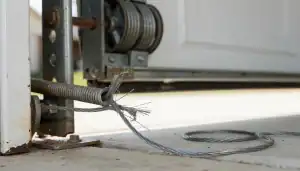
Loud noise or a loud bang. A loud bang coming from the garage is often a clear sign that a spring has snapped. This is also a common sign of a broken spring. Torsion springs and extension springs are both under high tension, and when that tension releases suddenly, it creates a sound that is impossible to miss. If you hear this, do not attempt to open the door until a technician has inspected the system.
Popping sounds or other unusual noises. Not every spring problem announces itself with a loud bang. Sometimes you will hear popping sounds, squeaking, or grinding as the door operates. These unusual noises usually mean the springs are experiencing wear and tear, or that other components like cables, rollers, or hinges are being affected by the spring’s declining condition.
Visible gaps or visible damage. A visual inspection of your torsion spring can reveal visible gaps in the coils, which usually means the spring has already partially broken. Rust, cracks, and stretching are all visible signs of wear that suggest replacement springs are needed soon. Extension springs that look stretched out of shape or that show fraying are also a clear sign that they are near the end of their service life.
A sagging door. If your garage door appears to sag or droop, especially in the middle, this suggests the springs can no longer support the door’s full weight. This is one of the most common signs of a spring nearing failure and should not be ignored.
Stuck halfway or slow movement. A door that gets stuck halfway, moves slower than usual, or requires the opener to strain and make extra noise is showing signs that the springs are no longer providing enough tension for smooth operation.
If you notice any of these key signs, it is time to replace your garage door springs before the problem gets worse. Waiting can lead to more expensive repairs and further damage to other components in the system, including the opener, cables, and tracks.
What Happens When a Spring Breaks
A broken garage door spring, whether it is a broken torsion spring or a broken extension spring, changes how your entire system behaves. Once a spring break occurs, the door loses its counterbalance, and the remaining weight has to be handled by the opener or by hand. This is dangerous. Attempting to force the door open after a spring break can cause serious injury, since the remaining tension in the system can shift unpredictably.
Broken garage door springs are also a safety hazard for anyone standing nearby. Because these springs hold so much tension, improper handling during a break or during a DIY repair attempt can result in the spring snapping loose with enough force to cause real harm. This is exactly why we always recommend leaving spring replacement to trained professionals rather than attempting it yourself.
DIY Repairs Are a Safety Risk
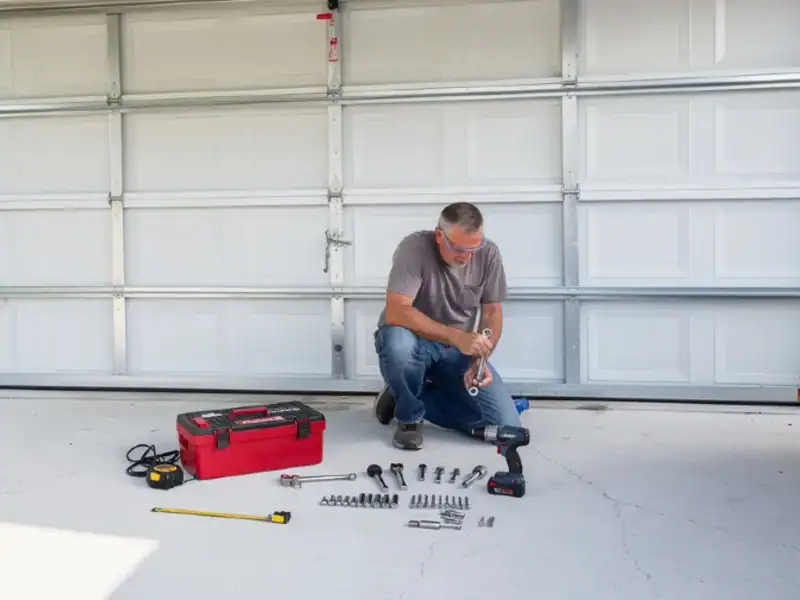
We understand the appeal of trying to save money by handling repairs yourself, but garage door springs are one area where DIY is genuinely dangerous. These springs operate under extreme, high tension, and improper handling during adjustment or replacement is one of the leading causes of injury related to garage door systems. Avoid DIY adjustments to prevent injury, and instead call a team that knows how to safely relieve tension, remove the old springs, and install replacement springs correctly.
At The Garage Door Company, our technicians are trained specifically to handle torsion springs and extension springs safely. We have the right tools, the right experience, and the right approach to make sure your garage door springs are replaced without putting you, your family, or our team at risk.
How to Extend Garage Door Springs Lifespan
While every spring eventually needs replacement, regular maintenance can help you get the most out of your current springs and delay the need for a spring replacement.
- Schedule annual inspections. Annual inspections of garage door springs are recommended to catch signs of wear before they turn into a full spring break. Our technicians check for visible gaps, rust, and proper tension during every visit.
- Inspect springs monthly. In between professional visits, it helps to do a quick visual inspection yourself. Look for rust, visible damage, or any obvious changes to the spring’s shape.
- Keep the door lubricated. Regular lubrication helps reduce friction on the springs and other moving parts, which extends garage door spring lifespan and keeps the door operating smoothly.
- Test door balance regularly. Testing door balance by lifting the door manually is a simple way to catch problems early, before they turn into uneven door movement or sudden failure.
- Avoid excessive daily use when possible. Frequent use shortens spring lifespan significantly, so simple habits like avoiding unnecessary trips out to the garage can help stretch out the life of your springs.
- Watch for extreme temperatures. Extreme temperatures can accelerate spring wear, particularly in unheated garages that go through big swings between summer and winter.
Why Choose The Garage Door Company
There are plenty of garage door companies out there, but our team takes pride in offering honest, thorough service to every homeowner we work with. We do not just replace a spring and leave. We check the entire system, including cables, rollers, and the opener, to make sure everything is functioning properly and working together the way it should.
When you call us for a garage door spring replacement, our technicians arrive equipped to handle both torsion springs and extension springs, and we always explain what we are seeing before we start any work. There are no surprises, no upsells you do not need, and no shortcuts that could put your family at risk down the road.
When It Is Time to Call Us

If your garage door is showing any of the warning signs we covered here, whether that is a loud noise, uneven movement, a door that feels heavy, or visible damage on the springs themselves, do not wait for a sudden spring failure to force the issue. Reach out to The Garage Door Company for a full inspection. We will assess your garage door springs, explain exactly what we find, and recommend the right replacement springs for your home and your household’s usage.
Your garage door is one of the most used entry points into your home, and healthy springs are what keep it safe, balanced, and easy to use every single day. Let our team make sure your system is ready for whatever comes next.