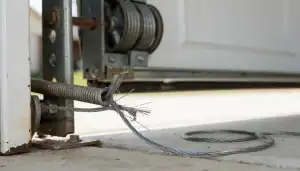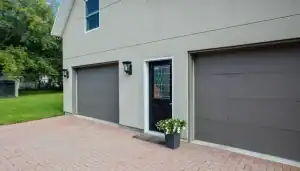

At Garage Door Company, we’ve seen our fair share of worn or broken cable problems on garage doors—whether caused by rust, worn pulleys, or cables breaking due to corrosion or wear. Replacing your garage door cables can be tricky, but with the right information (and a trusted pro), you can save money and prevent serious safety issues.
Garage Door Maintenance
Regular maintenance is the key to keeping your garage door operating smoothly and safely for years to come. One of the most important components to keep an eye on is the garage door cable. These cables support the entire garage door, working alongside springs and other parts to ensure the door opens and closes without a hitch. If a garage door cable becomes frayed, worn, or broken, it can create a dangerous situation, potentially causing the door to fall or become stuck.
Related Article: How to Tell When Your Garage Door Springs Need Replacing
To prevent these issues, homeowners should make it a habit to inspect their garage door cables, springs, and related components every few months. Look for signs of wear, such as rust, fraying, or misalignment. Having the proper tools and a basic understanding of how your garage door works can make these checks easier and safer. However, if you’re unsure or spot any problems, it’s always best to call a professional technician. Their knowledge and experience can help ensure that your garage door remains safe and reliable, preventing accidents and costly repairs down the line.
Understanding Garage Door Components

A well-functioning garage door relies on several key components working together seamlessly. At the heart of the system are the garage door cables, which, in combination with torsion springs, help balance and lift the door’s weight. The cable length and size must be carefully matched to your specific garage door and spring setup to ensure smooth operation and prevent strain on the system.
The bottom bracket is another essential part, connecting the end of the lifting cable to the lower edge of the door. This bracket must be securely attached, as it bears a significant portion of the door’s weight. Pulleys and drums guide the cable as it winds and unwinds, allowing the door to move up and down efficiently. If any of these components—cables, springs, bottom brackets, pulleys, or drums—are damaged or misaligned, it can lead to issues such as a broken cable, uneven door movement, or even a door that won’t open or close properly.
Understanding how these parts interact helps homeowners recognize early warning signs of trouble. For example, if you notice the door sagging on one side or hear unusual noises during operation, it could indicate a problem with the cable or another component. Regular inspection and prompt repair of these parts can help prevent accidents, extend the life of your garage door, and ensure your garage remains a safe and functional part of your home.
Why Garage Door Cable Replacement Matters
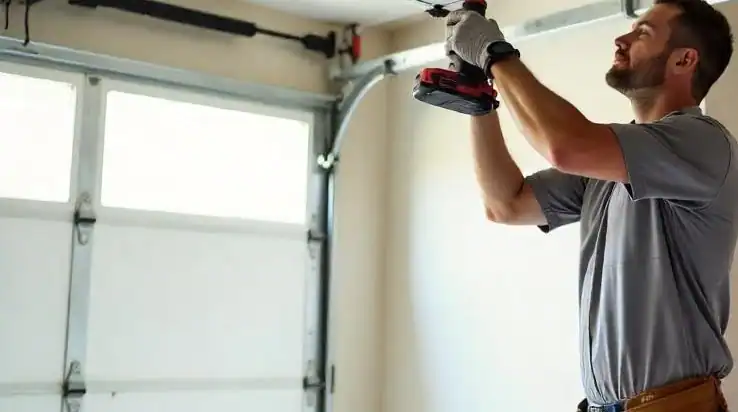
Garage door cables work with garage door springs and drums to safely lift the entire garage door. These cables and springs are under a lot of tension, so proper replacement is critical for safety. A snapped or frayed cable can cause the door to fall unevenly—or even crash—making cable replacement essential to both function and safety.
When to Consider Replacement
- Frayed strands along the door cable
- Visible wear at bottom brackets or near the pulley
- Door won’t stay open or closes suddenly (sign of a weak torsion spring–cable combo)
- Rusted cables or misalignment in the track
A quick inspection of your pulley, drum, and matching cable size can tell you if replacement is needed.
If you reach the point in your inspection where a cable is loose or drooping, this is a critical stage that requires immediate attention.
DIY vs. Calling a Pro
Replacing a cable involves:
- Measuring cable length and diameter
- Disconnecting garage door springs (torsion or extension)
- Swapping cables through drums, pulleys, and bottom brackets
- Rewinding springs to apply proper tension
Sounds simple? The risk is serious injury—not to mention voiding warranties—if you assume the right tension or neglect safety. You should never attempt to operate or repair the garage door yourself if a cable has fallen. We recommend letting a trained technician handle it.
The Garage Cable Replacement Process

Here are the steps for garage door cable replacement:
- Inspect the cable for fraying or corrosion
- Match the new cable size to the spring/workload
- Release spring tension with a winding bar and carefully wind the spring to apply the correct tension
- Remove the old cable and detach from the bottom bracket
- Install the new cable by threading it through the pulley and drum
- Re-tighten the spring and test the door balance
- Check track alignment, pulley wear, and cable tension
Look for clear how-to video guides, but only after you’ve consulted the right expert.
Common Pitfalls to Avoid
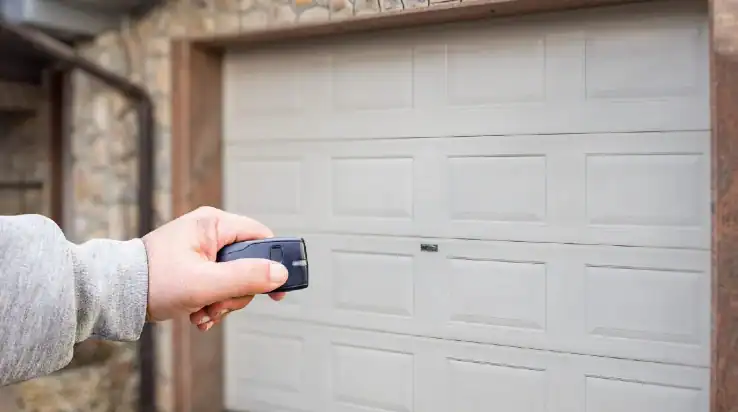
- Using the wrong cable thickness, length, or size for your specific garage door can lead to improper fit and unsafe operation. Always ensure you select the correct cable sizes based on your door’s height and type.
- Forgetting about the spring’s tension rating
- Failing to lubricate the track and pulley
- Misaligning drums, which can cause premature wear
How Much Does It Cost?
Prices vary, but typical garage cable replacement runs $150–$300, depending on parts and labor. The cost may also depend on whether you purchased pre-made cables or custom cables, and it’s important to select the correct cable length and specifications based on your garage door’s measurements. Add-ons like pulley or drum replacement or spring adjustment may affect the total.
Maintenance Tips to Prevent Early Replacement
- Inspect cables every few months
- Lubricate the track, pulleys, and springs regularly
- Keep the garage door balanced—if a door stays halfway open, cables or springs need adjusting
- Replace pulleys or bottom brackets as soon as signs of wear appear
Before performing any maintenance, homeowners should understand the mechanics and safety procedures involved to ensure safe and effective results.
When Replacement Sparks Other Repairs
Replacing cables sometimes reveals other worn parts: rusted springs, damaged drums, or misaligned tracks. Damage to garage door components like tracks, cables, or bearings can lead to operational issues, such as uneven movement, noise, or safety hazards. A full check-up is wise to avoid additional breakdowns.
Why Choose Garage Door Company

Our team:
- Offers a variety of garage door cable assemblies and solutions to meet different residential and commercial needs, including options for quick installation and bulk purchase savings
- Has the right tools and experience for safe, accurate cable work
- Replaces entire systems—cables, drums, springs—properly matched
- Keeps safety top-of-mind while minimizing garage downtime
What Homeowners Should Do Now
- Check cables for fraying, rust, or misalignment
- Test door movement—does it close smoothly and stay open halfway?
- If you spot issues, call Garage Door Company for an inspection
- When calling, describe the specific issue with your garage door cable to help professionals diagnose and repair the problem accurately.
- Schedule a professional cable replacement to avoid bigger problems down the line
Ready to Take Action?
Don’t wait until that worn cable snaps and your door crashes—if you notice any signs of wear or damage, have your cables replaced as soon as possible. Contact Garage Door Company today to schedule a cable check or full replacement. Stay safe and keep your garage moving smoothly!