A malfunctioning garage door opener has a way of throwing off your entire daily routine. One minute you’re heading out the door to work, and the next you’re stuck staring at a device that simply won’t respond. At The Garage Door Company, we hear about this problem all the time, and the good news is that most garage doors can be back up and running with a few simple fixes. Before you assume the worst, let’s walk through the most common reasons a garage door opener not working stops responding, and how our team approaches every repair.
Start With the Power Source
Believe it or not, one of the most common problems behind a garage door opener not working has nothing to do with the motor unit at all. It’s power. Before you inspect anything mechanical, check whether the opener is actually plugged into a working outlet. Outlets can lose power without any obvious warning sign, so plug in a lamp or another small device to confirm the outlet is live.
If the outlet checks out, head to your circuit breaker or fuse box. Power disruptions at the breaker are a common reason garage door openers suddenly stop working, especially after a storm or a power surge. A tripped breaker is an easy fix: simply reset it and test the door opener again. If the breaker trips repeatedly, that’s a sign of a bigger electrical issue, and it’s worth having a professional take a look before it leads to a broken opener or a bigger repair down the road.
Check the Wall Switch, Remote, and Batteries
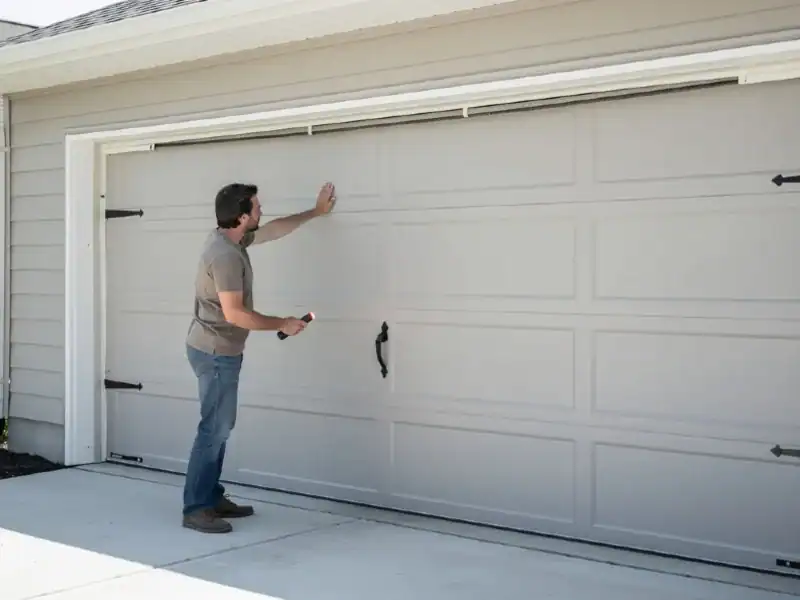
Once you’ve confirmed the door opener has power, the next step is testing the wall switch and remote control. Press the wall button inside the garage first. If the door responds to the wall control panel but not the remote, the issue is likely isolated to the remote itself, not the motor unit.
Dead batteries are one of the most frequent causes of a dead remote, and replacing them is often the simplest fix in the book. Pop in new batteries, test the remote from a few different distances, and see if that resolves the issue. It’s also worth checking the batteries in any keypad you use, since those wear down on their own schedule too.
While you’re at the wall control panel, check for a lock button. Many openers include a lock or vacation mode feature that disables the remote control while leaving the wall switch and motor unit fully powered. It’s an easy setting to accidentally engage, and it’s often mistaken for a bigger electrical or mechanical problem.
Inspect the Safety Sensors
If your garage door opens without any issue but won’t close properly, faulty or blocked safety sensors are usually the reason. Most garage doors are equipped with photo eye sensors mounted near the bottom of the door tracks on each side. These sensors send an invisible beam across the doorway, and if that beam is blocked, obstructed, or misaligned, the door will refuse to close as a safety precaution.
Start by inspecting the sensors for dirt, spider webs, or anything sitting in the beam’s path. Wipe the lenses clean with a soft cloth and remove anything blocking the line of sight between them. If the sensors still aren’t lining up, gently adjust their angle until the indicator lights turn solid rather than blinking. Misaligned safety sensors are one of the most common and most overlooked reasons a garage door opener stops working correctly, so this is always one of the first things our technicians check on a service call.
Test the Emergency Release and Door Movement
Every opener includes an emergency release cord, which disconnects the door from the motorized track so it can be opened manually. If your motor hums but the door doesn’t move, pull the emergency release cord and test whether the door glides smoothly by hand. A door that feels unusually heavy, sticks, or won’t stay open is often signaling a problem with the springs rather than the opener itself.
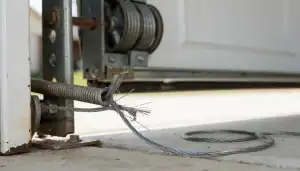
Broken or worn torsion springs can prevent a garage door from operating altogether, and they carry serious tension that makes them dangerous to handle without training. If you notice a gap in the coils, hear a loud bang, or the door won’t stay up on its own, stop testing the opener and contact our team. This is a repair best left to a professional, every time.
Common Mechanical Issues

Beyond power and sensors, several components inside the opener itself can wear down over time. Whether your system uses a chain drive, belt drive, or screw drive, the chain or belt should have roughly 1/4 to 1/2 inch of slack. Too much or too little tension can cause grinding sounds, straining, or a door that reverses immediately after closing.
Worn gears are another common culprit, especially in older units that have been part of your daily routine fovbr years. If the motor runs but you hear a stripped or grinding sound with no real movement, the internal gears may need replacing. It’s also worth checking the travel limit settings on the opener if the door reverses shortly after closing, since these settings can shift over time and need periodic adjustment.
Routine maintenance goes a long way toward long-term reliability. Lubricating the rail every one to two years with a silicone spray, rather than a heavier grease that attracts dirt, keeps things moving smoothly. Regularly inspecting the sensors for alignment and cleanliness, checking chain tension, and testing the balance of the door can help you catch small issues before they turn into bigger, more expensive repairs.
When to Call a Professional
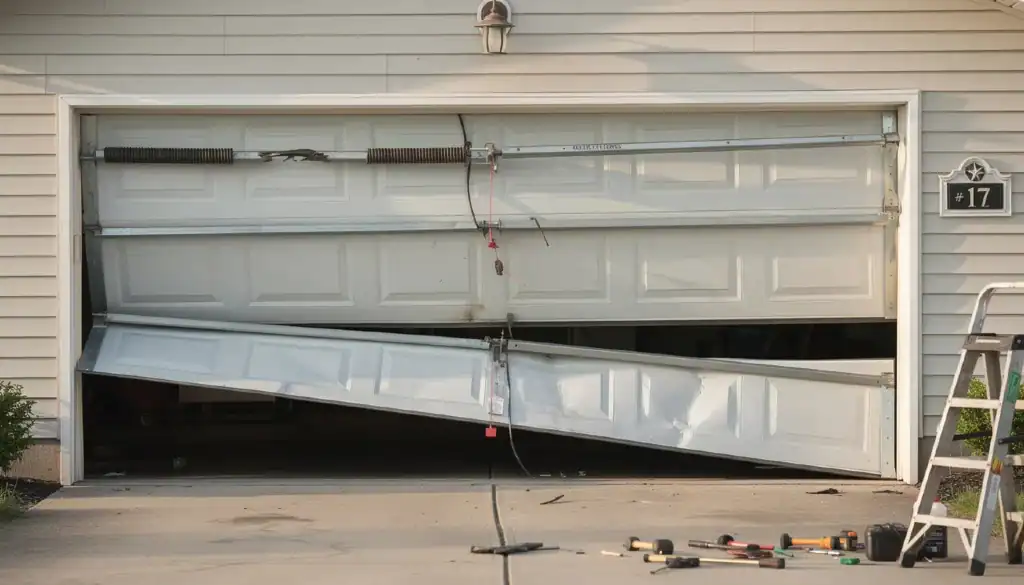
Some fixes are simple enough to handle on your own, but others call for professional tools and experience. If your car is stuck in the garage, the door is off its track, you smell something burning, or the motor hums without any chain movement, it’s time to contact our team rather than continue troubleshooting. Mechanical failures involving springs, cables, or the internal motor unit require professional assistance for your own safety.
At The Garage Door Company, we’ve seen just about every sign of a struggling garage door opener, and we know how disruptive it is when your system stops working correctly. Whether it’s a quick battery swap or a full motor unit replacement, our technicians are ready to inspect, diagnose, and repair your garage door opener so you can get back to your routine with confidence. If these troubleshooting steps don’t get your door back on track, give The Garage Door Company a call and let our team handle the rest.