
At some point in our lives, we all encounter the need for garage door troubleshooting. It’s especially necessary when garage door problems arise and end up interfering with your plans or daily routine. Depending on the specifics, there are several ways to address these issues so you can go back to your day without any further interruptions.
Why won’t your garage door close or open? Why do your door panels buckle? And most importantly, what’s the best thing to do in these situations? With extensive garage door repair experience, our team at The Garage Door Company knows the ins and outs of garage door troubleshooting. We’ll guide you through the important things you should know about common garage door problems—and how to fix them.
Related Article: Top Failing Garage Door Opener Motor Signs You Need to Know
Top 10 Garage Door Troubleshooting Tips
Generally speaking, the most common garage door issues include noisy operation, trouble opening and closing, remote control problems, sensor issues, awkward movement, and broken springs. If you find yourself facing these common garage door problems, try out these typical solutions to help you ensure that your garage door operates smoothly again.
1. Garage Doors Won’t Open or Close

If your garage door won’t open or close properly, you could be dealing with a power supply issue. Check if the garage door opener’s motor unit is actually receiving power and if it’s properly plugged. Also, make sure the circuit breaker in your electrical panel hasn’t tripped due to a short circuit.
You also want to check the safety sensors, also known as photo eye sensors. The safety sensors are typically located at the bottom of the garage door tracks. Make sure nothing’s covering them so they can function as intended.
Test the wall switch and remote control to see if they’re the culprit. In case they’re not working, replace the batteries and test if it leads to your garage door opening and closing properly.
Alternatively, manually lift the garage door. If it moves properly with manual operation but the door won’t open or close with the motor, you might have issues with the garage door motor.
Another approach is to check if your disconnect switch has been accidentally enabled. The average garage door has several safety features, including a disconnect switch (also referred to as the emergency release cord) which disengages garage doors from the automatic opener mechanism. It’s usually a rope with a handle and it’s useful for power outages. When enabled, allows you to operate the garage door manually so you don’t get stuck inside or locked out.
2. Old Garage Door Opener Problems
Garage door openers are usually good for 10 to 15 years, though their functionality ultimately depends on their maintenance and usage through the years.
If you’ve done basic garage door troubleshooting like inspecting the power, replacing batteries, and ensuring the sensors are free of obstruction yet the problem remains unresolved, it might be time to consider getting a new garage door opener.
Don’t forget to seek professional assistance should you decide to purchase and install a new garage door opener.
3. Noisy Garage Door

Unusual noises like rattling and banging sounds can result from loose hardware like loose bolts or loose nuts. To address this issue, check and tighten the loose hardware and test the garage door again afterward. If the noisy sounds are gone and your garage door operates smoothly again, it means you’ve successfully fixed the problem.
Squeaking and scraping sounds usually happen when garage door parts rub against each other. The solution to this is to lubricate moving parts such as garage door tracks, hinges, and rollers. If you have damaged or rusted rollers, it’s best to replace them entirely to prevent future issues. Also, make sure the garage door’s path is clear of obstacles and debris that could be causing the noises.
Loud whirring sounds can indicate motor issues such as worn-out gears. In this case, you can tighten loose bolts on the motor unit, replace worn and damaged gears, and realign the motor with the drive mechanism.
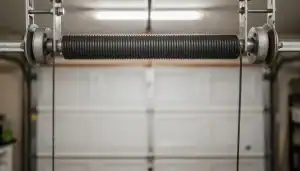
A snapping or popping noise usually points toward a faulty spring system, such as a broken spring or springs nearing the end of their lifespan. Replacing these springs is the best approach to ensure that your garage door functions properly now and in the future.
4. Issues With Garage Door’s Remote Control or Keypad
If you’re dealing with garage door remote control and keypad issues, check and replace the batteries if they’re dead. You also want to make sure the signal between the remote control or keypad and the garage door opener isn’t being blocked. Additionally, check the antenna of the garage door opener and assess whether it’s damaged or in need of repair.
Another approach is to reprogram the remote control or keypad and test if the garage door opens and closes afterward. You can look at the remote and keypad’s owner’s manual for instructions.
Resetting the garage door opener can also help with this issue. You can do this by unplugging the garage door opener, waiting for a few minutes, then plugging it again.
5. Uneven Garage Door Movement
When you encounter uneven garage door movement, make sure the garage door track path on the garage floor is aligned and unobscured. Also, tighten loose bolts in the garage door system and inspect the garage door rollers for any damage or rust.
The door’s movement can also be caused by an unbalanced door, so use a level to assess the door balance and alignment. If unbalanced, you’ll have to adjust the spring tension. If you’re uncertain about the process, contact a professional for assistance.
6. Garage Door Rollers Issues

Garage door rollers can suffer from age and rust, which in turn can make it difficult to get the garage door closed or opened. If you have old or rusted rollers, the best move would be to replace them with new ones. However, you can try lubricating the rollers first to see if you’re happy with their performance. If it’s still causing trouble after lubrication, then replacing them would be the way to go.
7. Garage Door Opener Light Not Working
In cases where the light of garage door openers isn’t working, make sure the garage door opener unit is receiving power. Check if the electrical wirings are damaged or if the unit isn’t plugged properly. It’s also possible that the issue is with the light bulb itself and not the garage door opener unit, so try replacing the bulb with a new one.
8. Garage Door Reverses When Closing
If your garage door reverses as the door closes, you may be dealing with worn-out or damaged photo eye sensors. Old and faulty safety sensors tend to deliver inaccurate signals, causing the door to reverse when it shouldn’t.
You should also check the close limit switch, which controls how far the garage door closes or opens. If the close limit switch malfunctions or misaligns, it can make the opener think the garage door is closed when it’s not, thus causing the door to reverse.
Garage doors reversing before closing can also result from issues with the garage door adjustment screw. This controls the garage door’s closing force, which refers to the amount of pressure applied as the door lowers and before the motor stops.
9. Broken Garage Door Springs

You know you have a broken garage door spring (typically torsion springs) if you hear a loud sound—particularly, a popping sound. There are also visible signs of broken springs, such as uneven doors. After verifying that you’ve got a broken torsion spring, do not attempt to use the door, be it manually or automatically.
Broken springs can lead to sudden and unpredictable door movement, such as falling. Make sure no one’s standing near the garage door to avoid potential accidents and injuries.
When dealing with broken torsion springs, you should seek professional assistance from companies like The Garage Door Company to make sure that the springs are properly and safely replaced. Additionally, regular maintenance can help you avoid broken springs in the future.
10. Faulty Remote Transmitter
When your garage door remote isn’t doing its job, it’s possible that you have a problem with the transmission. The fix could be as simple as needing new batteries. If it’s not the batteries, then you can try looking for anything that’s blocking the signal or you can reprogram the remote.
When to Schedule a Professional Garage Door Repair

There are times when the most sensible thing to do is to hire a professional to fix your garage door issues for you. While some minor problems can be resolved by following standard troubleshooting tips, it’s also important to know when it’s time to call for professional help over going down the DIY route.
Safety Considerations
You should always put your safety first. If you’re not confident in repairing the issues of your garage door and you’re worried about potential safety risks associated with the repair, don’t hesitate to contact the pros.
Professional technicians have the experience as well as the necessary tools and equipment that will help them ensure the repair or installation is carried out securely.
Additionally, professionals have efficient processes, meaning your garage door issues will be addressed much quicker. This will reduce the time you and your family have to deal with garage door issues, ensuring your home’s safety is restored sooner.
Regular Maintenance

It doesn’t matter if you’ve never encountered garage door issues—you should always arrange regular maintenance to protect your garage door’s health and longevity. Have a professional inspect your garage door at least once a year; we promise it will make a difference.
Regular maintenance from professionals is a great way to catch any problematic behavior and issues early on. Determining issues that need addressing or repair as soon as they arise ensures they don’t worsen over time. It will also help prevent expensive complications down the line because when minor problems are left unattended, they can grow into bigger problems that will require extensive repairs.
Overall, the health of garage doors should be every homeowner’s priority. By scheduling regular garage door maintenance, you increase the likelihood of your garage door lasting longer and operating more efficiently. Being proactive means you’ll have to deal with fewer unexpected breakdowns and that all garage door components are kept in their best condition.
Major and Complicated Issues
No matter how good your repairing skills may be, there are certain situations when the only solution is to hire a professional garage door technician. This includes cases wherein you experience major mechanical failures such as a broken torsion spring or snapped cables. Attempting to DIY your way through these issues can be dangerous.
It’s also best to hire a professional if you’re dealing with electrical issues. Concerns regarding faulty wiring or a problematic motor require expertise that only a professional technician has. You can rely on them to fix the problem for you without putting yourself in danger or compromising the integrity of your garage doors.
Finally, if you notice any persistent operational issues that keep coming back no matter how many times you practice basic troubleshooting, it’s best to ask for professional help. They can catch issues you’ve missed and come up with a more permanent solution.
Garage Door Troubles? Fix It With The Garage Door Company

The Garage Door Company can handle any garage door problem. If you’re looking for garage door repair Norman OK, look no further than our dedicated team of technicians!
With years of experience and dedication to excellence, we provide reliable solutions and excellent customer service for your garage door needs.
Call Us Today!
Choose the most trusted local garage door in Edmond, OK. Schedule an appointment with us today by giving us a call at (405) 261-8389!