
If your garage door won’t close all the way, you are not alone. This is one of the most common issues homeowners face, and the good news is that many of the root causes are something you can identify on your own before calling in a professional. Whether the door stops halfway, reverses before it closes, or refuses to respond to your remote control at all, this garage door troubleshooting guide will walk you through the most likely culprits and show you how to fix them fast.
Why Your Garage Door Won’t Close: Where to Start
Before diving into specific fixes, it helps to understand how a garage door system works. Your garage door relies on a combination of components working in harmony: the opener unit, safety sensors, springs, tracks, cables, and the remote or wall button. When any one of these fails or falls out of alignment, the door may refuse to close properly or stop closing completely.
Start your troubleshooting steps by observing the door’s movement. Does it reverse immediately after hitting the floor? Does it stop halfway? Does it not respond at all? Each behavior points to a different garage door problem, and knowing what you are looking at helps you fix it faster.
Check the Safety Sensors First

The most frequent reason a garage door won’t close is a problem with the safety sensors, also called photo eyes. These small devices are located near the floor on both sides of the garage door opening, typically about four to six inches off the ground. They project an infrared beam across the width of the door. If anything interrupts that beam, the garage door system interprets it as an obstruction and refuses to let the door close, which is an important safety feature designed to prevent damage or serious injuries.
Here are the most common sensor-related issues and how to fix them:
Misaligned Sensors
If the photo eyes are not pointing directly at each other, the infrared beam cannot connect. Misaligned sensors are often the result of an accidental bump or vibration over time. You will usually notice a blinking light on the opener unit or on the sensors themselves.
To fix this, loosen the wing nut or bracket holding each sensor in position and carefully adjust the angle until both sensors face each other directly. Most sensors have a solid green or amber light when they are properly aligned. Tighten the bracket back into position and test the door.
Dirty or Blocked Sensors
Even if the sensors are properly aligned, dirt, dust, or debris on the lens can block the infrared beam. This is easy to overlook but equally easy to fix. Use a soft cloth to gently wipe the lens on both photo eyes. Do not use harsh chemicals. A clean, dry soft cloth is enough to remove most buildup.
Damaged Wires
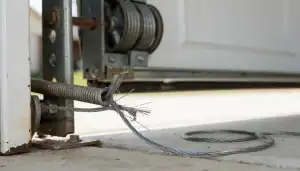
Inspect the wires running from each sensor back to the motor unit. Damaged wires, frayed insulation, or loose connections can interrupt the signal. If you spot a wire that has been cut or worn through, the sensor will not function correctly. In some cases, a wire nut may have come loose from a connection point near the motor unit. Reattach it carefully, and if the wires themselves are too damaged, contact a garage door service professional to replace them, as improperly handled wiring can cause further damage to your system.
Faulty Sensors
If the sensors are aligned and clean, and the wiring looks intact, but the door still won’t close, you may be dealing with faulty sensors that need to be replaced. A qualified garage door service technician can confirm this quickly with a diagnostic check.
Troubleshoot the Garage Door Opener

If the sensors appear to be working properly, the next place to look is the opener itself.
Dead Batteries in the Remote
This one seems obvious, but dead batteries in your garage door remote are a surprisingly common cause of a door that will not respond. Replace the batteries in your remote control and test the door again using the wall button. If the door closes properly using the wall button but not the remote, the issue is with your remote control rather than the garage door system itself.
Check That the Opener Is Receiving Power
Make sure the opener unit is plugged in and that the outlet is receiving power. Check your circuit breaker to see if a tripped breaker is cutting power to the garage. If the lights on the opener unit are off entirely, power is likely the issue. Reset the breaker and test again.
Reset the Opener
Sometimes the opener brand you have may have a setting that has shifted out of calibration, particularly the travel limits. Travel limits tell the motor how far the door needs to travel to fully close. If they are set too short, the door will stop before it closes all the way. Refer to your opener’s manual to adjust the travel limits. Most openers have a simple adjustment dial or button sequence that allows you to reset this setting without any special tools.
Bypass Mode and Manual Operation
If you need to close the door manually, most openers have a red release cord hanging from the trolley. Pulling this cord disconnects the door from the motor so you can operate it by hand. To manually close the door, simply pull it down by hand until it reaches the floor. This is useful in a power outage or when you need to secure the garage while you wait for a repair. To re-engage the opener after using bypass mode, pull the release cord back toward the motor unit or simply press the wall button, and the trolley will re-engage automatically on most models.
Inspect the Garage Door Tracks
If your garage door is struggling to close or is moving unevenly, the garage door tracks may be the issue. Tracks guide the rollers as the door moves up and down. If the tracks are bent, dirty, or misaligned, the door’s movement will be restricted, or the door may come off track entirely.
Check both tracks visually for bends, dents, or debris. Moving items or accumulated dirt inside the track channel can prevent the door from closing completely. Use a damp cloth to clean out any buildup, and use a level to check whether the tracks are plumb. If a track is bent, you may be able to gently tap it back into shape with a rubber mallet. However, significant damage to the tracks warrants a call to your local garage door service, as a misaligned track can cause the door to derail and lead to further damage.
Check the Garage Door Springs
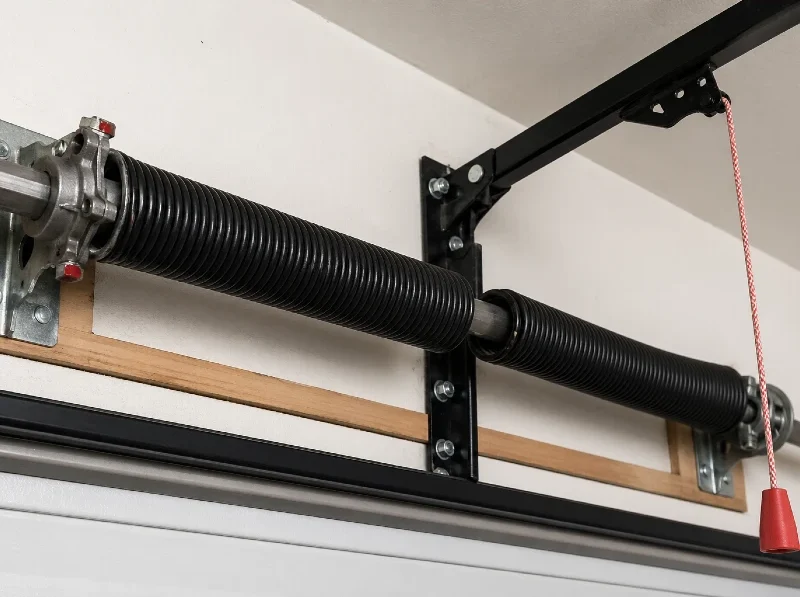
Garage door springs do the heavy lifting. Torsion springs are mounted horizontally above the door, while extension springs run along the sides of the tracks. These springs counterbalance the weight of the door, making it easy for the opener to raise and lower it. When springs wear out or break, the garage door system cannot operate correctly, and in many cases, the door will not close at all.
Signs of a spring problem include a door that feels unusually heavy when you try to close it manually, a door that hangs unevenly, or a loud bang from the garage that signals a spring has snapped. If you suspect your springs are broken, do not attempt to fix them yourself. Torsion springs and extension springs are under extreme tension and can cause serious injuries if handled incorrectly. Always call a professional garage door service to handle spring replacement safely.
When the Door Closes, but Not All the Way
If the garage door starts to close but stops before it reaches the floor or reverses before closing completely, you likely have one of the following issues:
Something Is Blocking the Path
Walk the length of the garage door opening and look for anything that might be blocking the door’s path. A garden hose, a trash can, a piece of debris, or even a child’s toy can interrupt the sensor beam or physically block the door. Moving items out of the path of the door is the simplest, quickest fix available.
The Floor Is Uneven
An uneven garage floor can prevent the door from sensing that it has reached the ground. The opener’s limit settings may need to be adjusted to account for the difference in floor level. Refer to your opener manual for instructions on how to adjust the down-limit setting.
The Opener Needs to Be Adjusted
If the door is closing but not fully sealing at the bottom, adjust the down-travel setting on the opener unit. This setting controls how far the door travels downward before the motor stops. Small adjustments, usually a quarter-turn at a time on the adjustment screw, can make a significant difference.
Frequently Asked Questions
Why is my garage door opener light flashing when the door won’t close?
A flashing light on the opener unit is typically the system’s way of signaling a sensor issue. Count the number of flashes, as many opener brands use a specific flash pattern to indicate which fault has been detected. Common causes include misaligned sensors, dirty photo eyes, or an obstruction in the door’s path.
How often should I perform garage door maintenance?
Most manufacturers recommend performing a basic maintenance check on your garage door system at least once or twice a year. This includes lubricating the springs, rollers, and tracks with a silicone-based lubricant, checking the sensor alignment, testing the balance of the door, and inspecting the hardware for loose bolts or worn parts.
Is it safe to replace garage door springs myself?
No. Torsion springs and extension springs store an enormous amount of tension and can snap with enough force to cause serious injuries. Spring replacement should always be handled by a trained garage door service professional.
What should I do if my garage door is off-track?
Stop using the opener immediately to prevent further damage. You can try to close the door manually using the bypass mode release cord, but do not force it. Contact a garage door service company to inspect and repair the tracks and rollers. Attempting to force a door back onto the track without proper tools and training can make the problem significantly worse.
When to Call a Professional Garage Door Service
While many of the issues above have straightforward solutions, there are situations where calling a professional is the safest and most cost-effective choice. If your door is off its tracks, if the springs are broken, if you find damaged wires throughout the system, or if none of the troubleshooting steps above resolve the issue, it is time to bring in an expert.
At The Garage Door Company in Edmond, OK, our technicians are ready to respond quickly to any garage door problem, big or small. We offer same-day garage door service and come prepared with the parts and tools needed to fix the most common issues in a single visit. Our team is experienced with all opener brands, garage door sensors, springs, tracks, and more. We are your trusted local garage door service provider, and we are just a call away when your garage door won’t cooperate.
Get Your Garage Door Working Safely Again

A garage door that won’t close is more than an inconvenience. It is a security and safety concern that deserves prompt attention. By working through the troubleshooting steps in this guide, you can often identify and resolve the root cause without waiting for a service appointment. Start with the safety sensors, check the remote control and opener, inspect the tracks and springs, and clear any debris that may be blocking the door’s path. If the problem persists, do not hesitate to reach out to a qualified garage door service team. Your garage door works hard every day, and keeping it in good working order protects your home, your family, and your investment.
For reliable garage door repair and service in Edmond, OK, and the surrounding areas, contact The Garage Door Company today at (405) 261-8389. We are here to help.