
When the seasons shift in Oklahoma, your garage door springs feel it too—and The Garage Door Company is here to help you stay ahead of the changes. Whether it’s a sweltering summer day or a sudden winter freeze, shifts in temperature and humidity can impact how your garage door system performs—especially the springs. These hardworking components take on a lot of tension, and when the weather changes, that tension gets pushed to its limits. Understanding how seasonal changes affect your garage door springs can help you avoid unexpected issues and keep everything running smoothly year-round.
Related Article: The Lifespan of Garage Door Springs
Understanding the Role of Springs in Your Garage Door System

Your garage door springs are the unsung heroes of your entire setup. While they might look like simple coils, these critical components are doing all the heavy lifting—literally. As weather conditions shift, so do the demands on these parts. Understanding what type of spring you have and how it works is the first step to keeping your door running safely and smoothly.
The Critical Components Behind Smooth Operation
Garage door springs are what make lifting and lowering your door feel almost effortless. Without them, the weight of a residential garage door would be way too much for your opener to handle. They’re small but mighty—and they go through a lot of wear over time.
Garage Door Extension Springs vs. Garage Door Torsion Springs
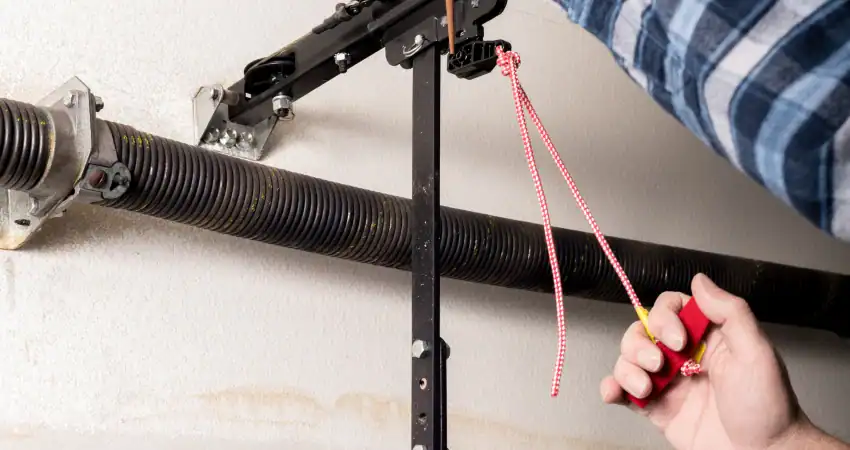
There are two main types of springs: garage door extension springs and garage door torsion springs. Extension springs stretch and contract, typically running along the sides of the door. Torsion springs twist above the door to create torque. Each type has its own design and maintenance needs, especially as the seasons change.
Why One Spring Might Not Be Enough: The Role of Two Torsion Springs
For larger or heavier doors, one spring won’t cut it. Many setups use two torsion springs to balance the load evenly. This helps reduce wear and prevents one spring from doing all the work—which is especially important during temperature swings that can shift tension levels.
How Temperature Affects Spring Performance
Oklahoma’s temperature swings aren’t just uncomfortable—they can be hard on your garage door springs. From freezing nights to scorching afternoons, the metal is constantly reacting to changing weather conditions. That expansion and contraction adds up fast, especially if your springs are older or worn. Let’s take a closer look at how both cold and heat can mess with tension and performance.

Fluctuating Temperatures and Metal Components
Springs are made from tightly wound steel, and fluctuating temperatures make that metal expand and contract. That movement creates stress, which can weaken the spring’s tension over time and lead to performance issues—or worse, a broken spring.
Freezing Temperatures and the Risk of a Broken Spring
Freezing temperatures in winter can make springs brittle, especially older ones that have lost their protective coating. Cold air reduces flexibility in the steel, making the spring more likely to snap when it’s under load.
High Temperatures and Spring Tension in Summer Months
On the flip side, high temperatures in summer can cause springs to stretch more than usual. As they expand, the balance of your door can shift, leading to jerky movements or sagging doors. Add in high humidity, and you’ve got a perfect storm for rust formation and friction.
Extreme Temperatures and Their Impact on Metal Parts
Extreme hot or cold weather doesn’t just affect springs—it wears on metal parts throughout your garage door system. Bearings, hinges, and cables can also suffer, leading to bigger issues if ignored.
The Effects of Humidity and Moisture
Humidity doesn’t just frizz your hair—it’s also a major enemy of anything made of metal. Garage door springs and tracks are especially vulnerable to rust and corrosion when moisture lingers. And if you have a wood door? That comes with its own unique challenges. Here’s how moisture affects different parts of your garage door system and how to fight back.
High Humidity and Rust Formation
Humidity is one of the biggest enemies of metal. High humidity leads to rust, which eats away at your springs and weakens their structure. If rust goes unchecked, a spring could fail entirely—especially during the seasonal transitions when moisture levels spike.
How Moisture Impacts Wooden Doors and Hinges
If you have wooden doors, changing humidity levels can cause warping, swelling, or contraction, which throws off the alignment of the whole system. Hinges and brackets may loosen or strain under the shifting weight.
Prevent Rust with Protective Coating and Silicone-Based Lubricant
Applying a protective coating and using a silicone-based lubricant on springs and hinges can help prevent rust and reduce friction, making your garage door system more resilient year-round.
Seasonal Transitions and Common Issues
Each season brings its own set of surprises. One month it’s dry and breezy, the next it’s damp and freezing. These seasonal transitions can cause everything from shifting panels to loud, clunky movement as your door adjusts to the new normal. Staying ahead of these changes helps avoid unexpected repairs—and we’ll offer tips to help make that easier.
Spring Wind and Changing Seasons: What to Know
“Spring wind” isn’t just a seasonal breeze—it’s also the term for how tightly your garage door springs are wound. As seasons change, the balance of that wind may need adjusting. If your door slams shut or struggles to open, it could be time to check it.
Fall Brings Its Own Set of Challenges (Including Falling Leaves)
Autumn brings cooler temps—and falling leaves, which can clog up tracks and interfere with motion. Your garage door system may need extra cleaning and inspection to stay in top shape.
Cold, Heat, and the Hidden Stress on Your Overhead Door
Your overhead door takes a beating during weather swings. From the expanding panels in summer to contracting tracks in winter, these shifts put stress on the entire setup, not just the springs.
Sizing, Tension, and Balance Considerations
When it comes to garage door springs, size really does matter. Using the wrong spring—whether it’s too short, too wide, or wound incorrectly—can create stress across the entire system. Even small gaps in your setup can throw off the door’s balance or make it harder to open. These technical details may not seem exciting, but they’re crucial to your door’s performance.
Why Inside Diameter and Wire Sizes Matter
When replacing or adjusting springs, the inside diameter and wire sizes matter a lot. These measurements help determine how much tension the spring can safely handle—and using the wrong size could lead to failure.
How to Tell If Your Garage Door Is Properly Balanced
A properly balanced door should stay halfway open when disconnected from the opener. If it crashes down or shoots up, that’s a sign your springs need attention—especially after seasonal shifts.
Spring Length, End Cones, and Set Screws: Getting the Details Right
Every detail matters, from spring length to end cones and set screws. If these parts wear out or come loose, they can throw off the balance of your system, leading to uneven wear or noisy operation.
Preventing Problems with Regular Care
Staying proactive is the best way to avoid emergency calls and save money on repairs. Seasonal shifts can stress your garage door springs, but regular care helps you catch small problems early. From quick visual checks to professional inspections, a consistent maintenance routine will extend the life of your system and prevent unexpected breakdowns.
Regular Inspections Help Avoid Costly Repairs
One of the best ways to prevent costly repairs is with regular inspections. A quick seasonal check by a pro can catch early signs of wear, like small cracks or weakened tension, before they lead to a spring break.
Tips for Regular Maintenance During Different Seasons
- Lubricate springs and hinges with silicone-based lubricant
- Check for rust or corrosion, especially in high humidity
- Wipe down tracks and remove debris from falling leaves
- Look for fraying cables or signs of fatigue in the metal components
Reduce Friction and Support Energy Efficiency with the Right Lubricants
Less friction means smoother movement—and better energy efficiency. A well-lubricated system reduces strain on your opener, helps your door last longer, and keeps everything running more quietly.
Protecting Other Components in the Garage Door System
Garage door springs may be the focus, but they don’t work alone. Your system relies on a full team of parts—weather stripping, hinges, brackets, and panels—that all face the same seasonal wear. Caring for these other components helps the entire setup stay balanced and efficient, no matter what the weather throws at it.
Weather Stripping and Its Role in Seasonal Protection
Weather stripping helps seal out cold drafts, heat, and moisture—all of which affect your garage door system. Replacing cracked or missing strips can help protect your springs and other garage door components.
Caring for Wood and Metal Parts Year-Round
Whether you have a full wood door or a combination with metal parts, routine care keeps everything in working order. That includes repainting, cleaning, and watching for warping or rust.
Don’t Overlook Hinges and Other Parts
Hinges might be small, but they help distribute force evenly across the door. When they go bad, they put extra pressure on the springs and tracks. It’s worth keeping them in check as part of your seasonal tune-up.
What’s the Best Season for Garage Door Maintenance?
While you should check your garage door system year-round, spring is generally the best time for a full inspection and tune-up. The weather is milder, which makes it easier to work with metal parts without the expansion or brittleness that comes with temperature extremes. After the wear and tear of winter and before the heat of summer sets in, spring gives you the perfect window to assess your springs, weather stripping, and other components.
Fall is also a great time to prep your garage for colder months—especially if your door struggles in freezing temperatures or you notice more noise than usual. By staying ahead of the seasonal curve, you can avoid emergency service calls and help your system perform better all year.
How to Do a Quick Garage Door Maintenance Check at Home
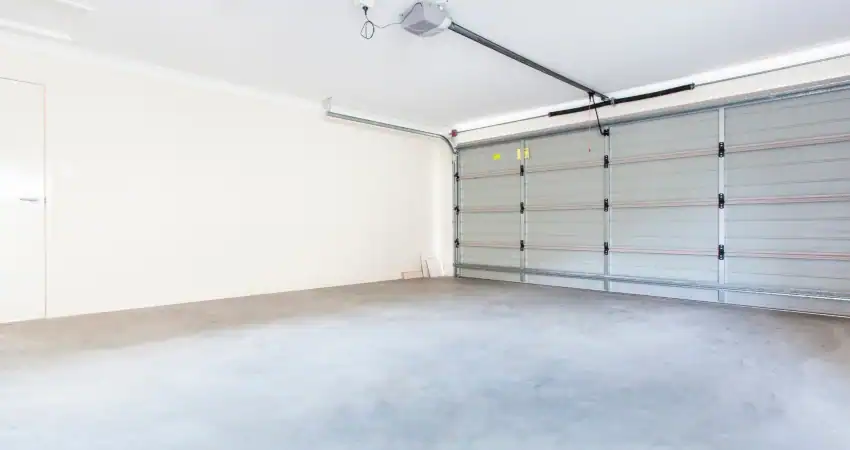
Not every issue requires a pro right away. You can do a quick check of your garage door system at home—especially after a big weather shift. Here’s how:
- Disconnect the opener and lift the door manually. It should move smoothly and stay halfway open. If not, your springs may need adjustment.
- Inspect the springs for signs of rust, stretching, or cracks.
- Listen for noise—grinding or squeaking usually means it’s time to lubricate.
- Check your weather stripping for wear, brittleness, or tears.
- Wipe down the tracks and remove leaves or debris.
If anything looks off, or you’re not sure how to adjust it safely, that’s a great time to call a local pro like The Garage Door Company.
What Happens If You Ignore Seasonal Wear on Your Springs?
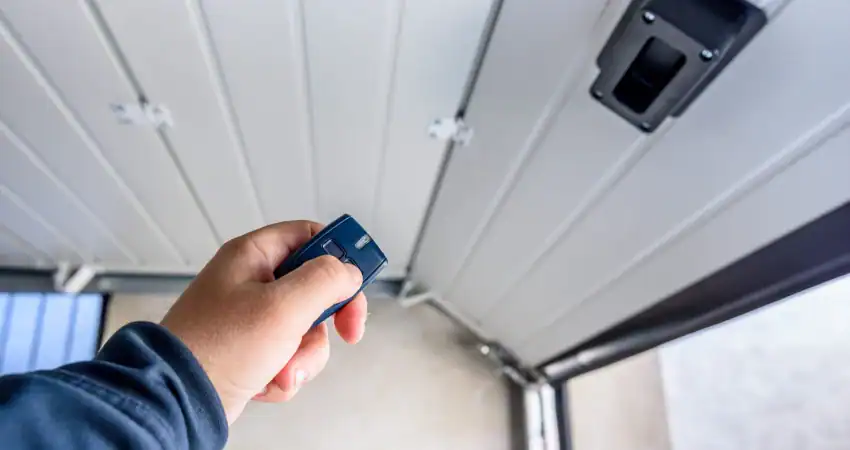
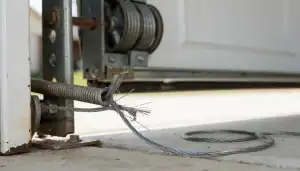
Letting a small issue slide might seem harmless—until your spring suddenly snaps, leaving you stuck with a heavy, immobile door. A broken spring can make your entire garage door system unusable and even dangerous. It also puts unnecessary stress on your opener and other parts, which can shorten their lifespan and lead to a chain reaction of repairs.
Plus, if your door isn’t properly balanced or sealed, your home could lose energy efficiency and security. That’s why seasonal garage door care isn’t just about comfort—it’s about safety, savings, and protecting your home’s value.
When to Call The Garage Door Company
While basic upkeep can be done at home, there are times when it’s smarter—and safer—to bring in a professional. If your garage door is acting up, making unusual sounds, or refusing to open altogether, the springs might be at risk. And if the spring broke on your garage door, it’s definitely time to stop using it and give us a call. Our team at The Garage Door Company is here to diagnose the issue and get your system back in shape with safe, expert care.
How to Spot Potential Issues Before the Spring Breaks
Strange noises, jerky movement, or a door that won’t stay open can all signal that your spring is struggling. Catching a potential issue early can save you from a full system failure—or worse, an injury.
Replace Worn Parts Before They Impact Performance
When one part starts to wear down, it often affects more components. Replacing a broken spring, realigning your overhead door, or updating your weather stripping can keep the whole system performing at its best.
Why Professional Help Matters for Optimal Performance
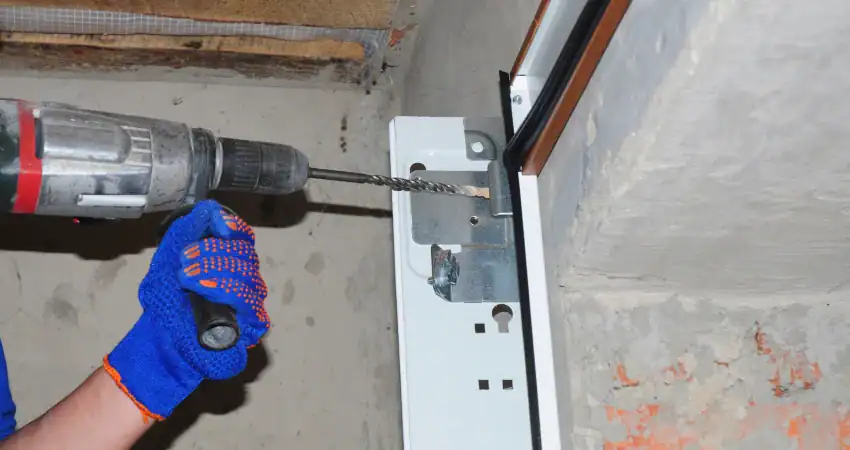
Torsion springs are under a lot of tension, and they’re not safe to repair on your own. Our team at The Garage Door Company can help with regular maintenance, safe spring replacements, and tune-ups that keep everything running smoothly—no matter the season.
Keep Your Garage Door Springs Ready for Every Season
Your garage door works hard all year, and its springs are at the heart of it. With our unpredictable weather and Oklahoma’s seasonal extremes, regular care is key. Whether it’s replacing a rusted component, checking for balance, or adjusting your system after a cold snap, The Garage Door Company is here to help. Contact us today for expert garage door spring service—so your door is always ready when you need it.