Have you ever thought about how the changing seasons and varied weather conditions can impact your garage door? It’s something many of us don’t consider until we’re faced with a problem. But as your friendly neighborhood Garage Door Company, we’re here to shed some light on this topic. Understanding how extreme weather conditions can affect your garage door is key to maintaining its longevity and functionality.
Related Article: The Impact of Weather on Your Garage Door and How to Minimize Damage
1. The Sweltering Summer Heat

Let’s start with the summer months. High temperatures and humidity can do a number on your garage door. Wooden garage doors, for example, might warp or expand in the heat, causing sticking issues or misalignment. And if your door isn’t properly insulated, your garage can turn into a sauna, affecting anything stored inside, including your car. Our tip? Consider a weather-resistant finish and proper insulation to combat these hot weather woes.
2. The Fall and Its Falling Leaves

Ah, autumn. While it brings beautiful colors, it also brings debris like leaves and twigs, which can accumulate in the tracks of your garage door and cause it to jam or derail. Regular cleaning of the garage door tracks and surrounding areas can save you a lot of hassle. Also, this is a great time to check for any weather stripping issues before winter sets in.
3. Winter’s Chill and Its Challenges

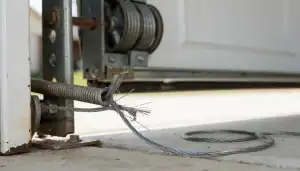
Winter can be the toughest season for your garage door. Cold temperatures can cause metal parts like springs and screws to contract, leading to issues with opening and closing. Lubrication is key here – but remember to use a lubricant suitable for colder weather. Insulation also plays a big part in keeping your garage door maintenance, (and your energy bills) manageable during the cold months.
4. Spring Showers Bring Door Powers

Spring is known for its rain showers, and moisture can be a garage door’s nemesis. Excess moisture can lead to rusting in metal components and swelling in wooden parts. Make sure your garage door opener is well-sealed and protected against water damage. It’s also a good time for a post-winter check-up to ensure everything is still in good working order.
General Tips for All Seasons
Regular Maintenance: No matter the season, regular maintenance is key. This includes checking the balance of the door, lubricating moving parts, and ensuring all hardware is tight and functional.
Weather Stripping: Good weather stripping not only keeps pests and dirt out but also helps in temperature control, making it a year-round necessity.
Professional Check-Ups: Sometimes, a professional eye can catch issues you might miss. Regular check-ups can prevent small weather-related issues from becoming big problems.
How to Avoid Garage Door Repairs in a Cold Climate
1. Keep It Well Lubricated
In cold climates, lubrication is your garage door’s best friend. Metal parts can contract and stiffen in the cold, leading to operational problems. Use a silicone-based lubricant to keep the moving parts in garage door installation like springs, rollers, and hinges working smoothly. Just remember to wipe off any excess to prevent dirt and grime buildup.
2. Replace Worn Weather Stripping
The weather stripping at the bottom of your garage door service part is essential for keeping out cold air, snow, and ice. If it’s cracked or brittle, it’s time for a replacement. This simple fix can prevent bigger issues and help maintain a more comfortable temperature inside your garage.
3. Inspect and Tighten Hardware
The vibration of a moving garage door can loosen hardware over time. Add in the contraction and expansion that comes with cold temperatures, and you’ve got a recipe for loose bolts and screws. Periodically check and tighten all hardware on wooden garage doors to ensure everything stays in place.
4. Check the Door’s Balance
A well-balanced door reduces strain on the opener and other components. Disconnect the opener and manually lift the door halfway. If it doesn’t stay put, the springs might need adjustment. However, adjusting springs can be dangerous, so it’s best to call in professionals for this task.
5. Clear the Tracks
Snow and ice can get trapped in the tracks and freeze, causing the door to stick or jam. Regularly clean the tracks and make sure they’re free of ice, snow, and debris. A little preventive maintenance can go a long way in avoiding repairs.
6. Consider a Garage Door Heater
For extreme weather climates, a garage door heater can be a lifesaver. It keeps the temperature around the door mechanism above freezing, preventing many cold-weather issues.
7. Schedule Professional Maintenance
Lastly, professional maintenance is invaluable, especially before the onset of winter. A thorough check-up can identify and fix potential issues before they escalate into costly repairs.
So there you have it! Weather conditions can certainly impact your garage door in various ways, but with the right care and precautions, you can keep it running smoothly through rain, shine, and snow. And remember, if you ever need help or have questions about your garage door, we at The Garage Door Company are just a phone call away. Let’s keep your garage door in top shape, no matter the extreme weather events!