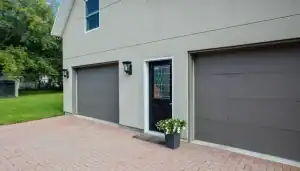

Finding the perfect garage door for your home isn’t just about function—it’s about creating harmony between your home’s architectural style and the practical needs of your living space. The secret to a garage door that fits your home lies in understanding how size, style, materials, and installation work together to enhance curb appeal while delivering superior insulation, energy efficiency, and smooth operation.
Whether you’re replacing an outdated door or installing your first automatic garage door opener, working with The Garage Door Company ensures every detail is handled correctly—from selection to installation. This comprehensive guide will help you make informed decisions that not only improve daily convenience but also elevate your home’s exterior and long-term value.
Why the Right Garage Door Matters

Your garage door is more than an entrance—it’s a defining feature that can make or break your home’s curb appeal. In fact, the right garage door accounts for up to 40% of your home’s visible exterior, making it one of the most impactful elements of your property’s first impression. When you choose the perfect garage door, you’re investing in visual appeal, energy efficiency, and enhanced security that protects your family and belongings.
Most homeowners underestimate how significantly a new garage door impacts their property value. The right choice can increase resale value while reducing energy costs through better insulation that controls heat flow between your garage space and living areas. Modern garage doors offer practical benefits beyond aesthetics, including safety features like automatic reversal systems, pinch resistant designs, and smooth operation that minimizes maintenance needs over decades of use.
The importance of selecting a door that complements your home’s aesthetic cannot be overstated. A mismatched garage door style creates visual discord that diminishes your home’s architecture, while a well-chosen door for your home creates seamless integration that makes the entire property feel cohesive and thoughtfully designed. Homeowners seeking to enhance curb appeal should view their garage door installation as a strategic investment in both function and beauty.
Understanding the Basics of Garage Door Sizing
Before exploring garage door design options, understanding proper sizing ensures you get a door that fits perfectly within your existing door frame. Accurate measurements prevent installation complications, eliminate gaps that compromise energy efficiency, and ensure your new door operates as intended without binding or misalignment issues.
Measuring Your Garage Door Opening
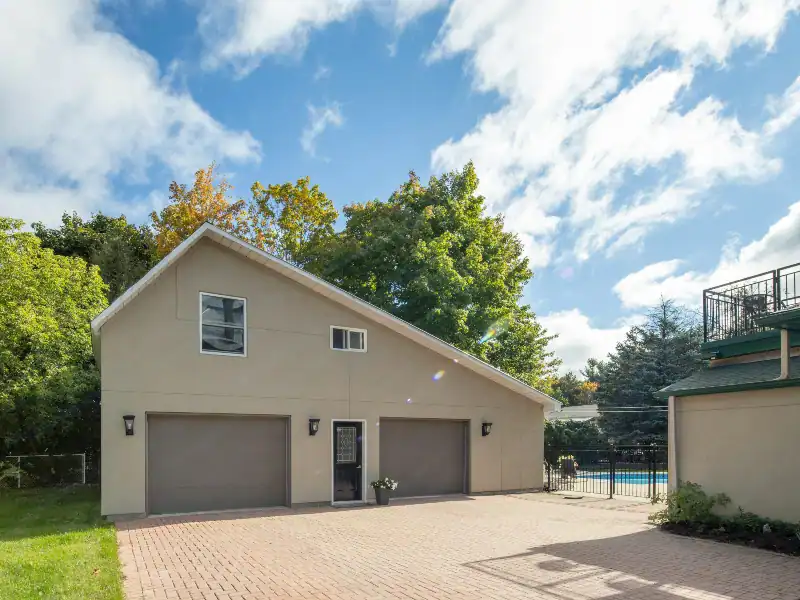
Taking precise measurements of your garage door opening is the foundation of successful installation. You’ll need to measure three critical dimensions: width, height, and depth. Start by measuring the width of your door opening at its widest point, typically at the bottom. Record this measurement, then measure the height from the floor to the lowest point of the header at the top of the opening.
Next, measure the depth of your garage—the distance from the door opening to the back wall. This measurement determines whether you have sufficient space for the door’s track system and automatic openers. You’ll also need to measure headroom (space above the door opening) and side room (space on either side of the opening) to ensure proper track installation.
For double car garage doors, accuracy becomes even more critical due to the larger dimensions involved. Even small measurement errors can create significant installation challenges with wider openings. Professional installers recommend measuring each dimension at least twice and recording the smallest measurements when dimensions vary across the opening.
Standard vs. Custom Garage Doors
Standard garage door sizes accommodate most residential applications, with common single-car dimensions of 8 or 9 feet wide by 7 feet tall, and double car garage dimensions of 16 feet wide by 7 feet tall. These standard sizes offer cost advantages and faster installation timelines since manufacturers keep these dimensions readily available.
However, custom garage doors become necessary when your door opening doesn’t match standard dimensions—common in older homes, properties with unique architectural style, or commercial doors for business applications. Custom sizing allows you to maximize your door opening while maintaining proper clearances for hardware, decorative hardware, and operational components.
Choosing between standard and custom options depends on several factors beyond just measurements. Consider your budget, timeline requirements, and whether standard sizes provide adequate space for your vehicles and storage needs. Custom doors typically cost 20-30% more than standard options but deliver a perfect fit that eliminates gaps and operational issues caused by size mismatches.
Choosing a Style That Matches Your Home’s Architecture
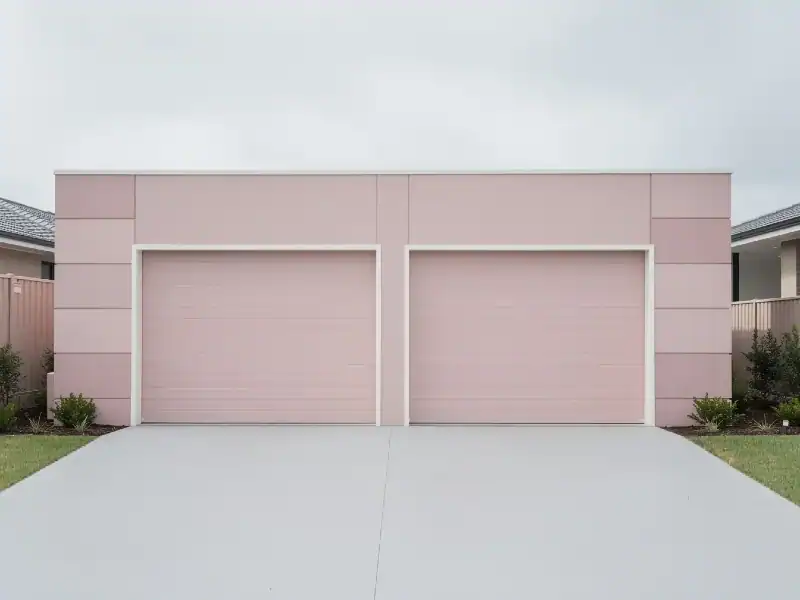
The best garage doors complement your home’s architectural style while expressing your personal preference through thoughtful design choices. Understanding how different garage door styles interact with various architectural traditions helps you select doors that enhance rather than detract from your home’s exterior character.
Traditional garage doors feature sectioned panels with clean lines and understated elegance that works beautifully with classic American homes, colonial architecture, and ranch-style properties. These doors offer timeless appeal and remain the most popular choice among homeowners seeking reliable, versatile designs that never go out of style.
Modern garage doors embrace contemporary aesthetics with sleek profiles, glass panels allowing natural light into garage spaces, and minimalist hardware that emphasizes smooth surfaces and geometric precision. These doors perfectly complement modern home designs with flat roofs, horizontal siding, and large windows. Today’s garage doors in modern styles often incorporate aluminum frames with frosted or clear glass inserts that create visual interest while improving energy efficiency through advanced insulation technology.
Carriage house doors evoke nostalgic charm with their swing-out appearance, decorative hardware, and traditional proportions that recall historic coach houses. Despite their vintage aesthetic, most carriage house doors today operate on standard track systems with automatic garage door openers rather than true swing-out mechanisms. These doors beautifully enhance curb appeal for craftsman homes, cottage-style properties, and traditional neighborhoods where architectural authenticity matters.
Your home’s exterior materials should guide your style selection. Brick homes often pair beautifully with wood doors or steel garage doors featuring wood grain textures. Homes with stone accents benefit from doors in complementary shades that echo natural materials. Contemporary homes with metal siding or stucco finishes shine with modern garage doors featuring glass panels and aluminum frames.
Popular Garage Door Materials and Their Benefits
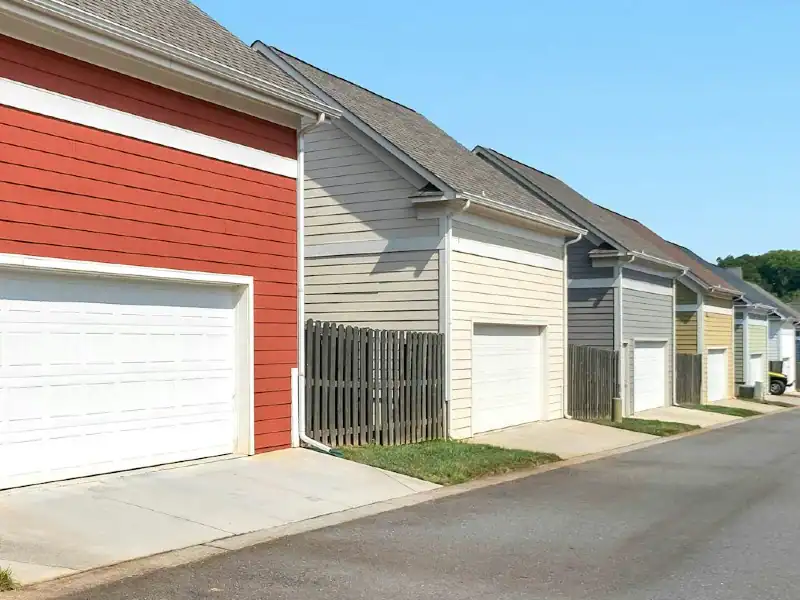
Garage door materials dramatically impact durability, maintenance needs, energy efficiency, and visual appeal. Understanding the practical benefits and limitations of each material helps you choose options that align with your priorities.
Wood garage doors deliver unmatched natural beauty with authentic grain patterns and warmth that synthetic materials cannot replicate. Wood doors offer superior insulation properties and can be customized through staining or painting in virtually any color. However, wood doors require regular maintenance including refinishing every few years to prevent warping, rot, and weather damage. They’re best suited for homeowners willing to invest time in upkeep to preserve their door’s beauty.
Steel doors dominate the market due to their combination of affordability, durability, and low maintenance requirements. Steel garage doors resist denting when constructed with adequate thickness, won’t rot or warp like natural materials, and can be finished in countless colors and textures including realistic wood grain patterns. Insulated steel doors provide better insulation than single-layer alternatives, reducing energy costs by minimizing heat flow between your garage and living spaces.
Aluminum doors offer lightweight construction that’s particularly advantageous for modern garage doors with large glass panels. Aluminum naturally resists rust and corrosion, making it ideal for coastal properties or humid climates. While aluminum dents more easily than steel, its minimal maintenance requirements and contemporary aesthetic make it a popular choice for homeowners seeking clean lines and allowing natural light through glass inserts.
Vinyl garage doors provide excellent durability in harsh weather conditions without requiring paint or staining. Composite materials combining vinyl or polymer exteriors with insulated cores deliver superior insulation and energy efficiency while maintaining the appearance of wood or other traditional materials. These doors offer practical benefits for busy homeowners seeking minimal maintenance without sacrificing visual appeal.
Color and Finish Options for Garage Doors
Color selection significantly impacts how your garage door integrates with your home’s style and overall street presence. The right color creates harmony, while poor color choices create visual discord that diminishes your property’s appeal.
Neutral colors—white, beige, tan, and gray—offer safe, versatile options that complement virtually any home exterior. These shades work particularly well when you want your garage door to blend seamlessly rather than make a statement. White garage doors brighten home exteriors and reflect heat, contributing to energy efficiency in warm climates.
Bold colors like navy, hunter green, or black create striking visual interest and work beautifully as accent elements that draw the eye. Dark colors suit modern architectural styles and can make garage doors recede visually, emphasizing other architectural features. However, dark finishes absorb heat, which may impact temperature regulation in your garage space.
Wood finishes and wood-grain textures add warmth and organic beauty, creating inviting home entrances that feel welcoming and established. Even steel garage doors can now mimic authentic wood appearances through advanced finishing techniques, delivering wood aesthetics with steel’s practical benefits.
Consider your home’s trim colors, roof shades, and front door when selecting your garage door color. Choosing a garage door in a complementary shade that echoes existing exterior elements creates cohesive design that elevates your entire property. Many manufacturers offer color matching services to ensure perfect coordination.
Installation Tips to Ensure a Perfect Fit
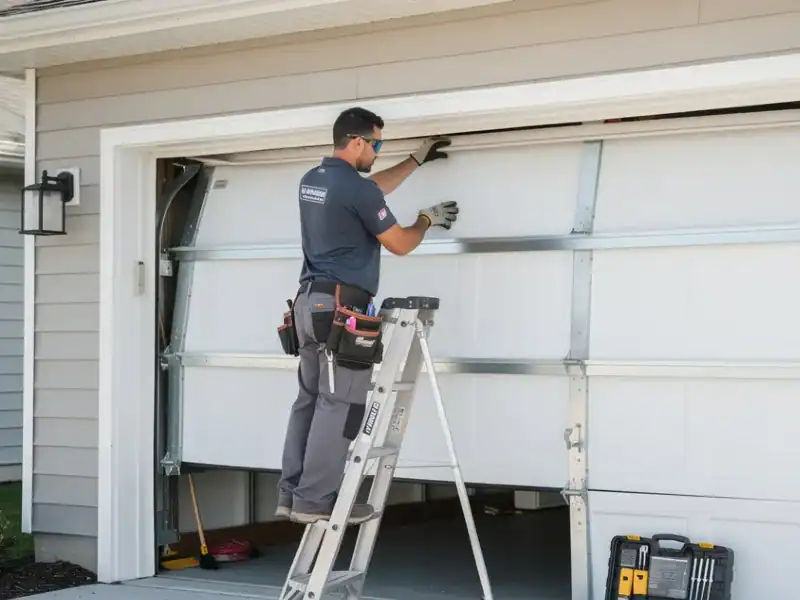
Even the perfect garage door won’t perform correctly without proper installation. Professional installation eliminates common errors that compromise safety features, smooth operation, and long-term reliability.
Professional vs. DIY Installation
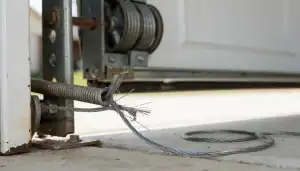
While some homeowners consider DIY garage installation to reduce costs, professional installation delivers significant advantages that typically outweigh potential savings. Garage doors are heavy, complex systems involving high-tension springs, precise adjustments, and specialized tools that most homeowners don’t possess.
Professional installers bring years of experience measuring, leveling, and adjusting doors to ensure perfect operation. They understand how to properly tension springs—a dangerous task that causes numerous injuries annually when attempted by untrained individuals. Professionals also provide warranties covering both installation workmanship and materials, protecting your investment against defects or installation-related problems.
DIY installation might make sense for mechanically inclined homeowners replacing an existing door of identical dimensions with direct component swaps. However, new door installations, size changes, or installing automatic garage door openers typically benefit from professional expertise that ensures proper clearances, level operation, and correct spring tension.
Common Installation Mistakes to Avoid
Poor measurements cause the majority of installation problems. Even small errors create gaps that compromise energy efficiency, allow weather infiltration, and stress operating components through misalignment. Always verify measurements multiple times before ordering your new garage door.
Incorrect spring tension represents another frequent error. Springs must be precisely calibrated to your door’s weight to ensure smooth operation without straining your automatic garage door opener. Too little tension forces your opener to work harder, shortening its lifespan. Too much tension creates safety hazards and accelerates component wear.
Skipping weatherstripping or installing it incorrectly allows air infiltration that undermines insulated garage doors’ energy efficiency benefits. Proper weatherstripping creates continuous seals around your door’s perimeter and along the bottom edge, blocking drafts and moisture while reducing energy costs associated with conditioning air in attached garages.

Failing to test safety features after installation creates serious hazards. Your automatic reversal system must be properly calibrated to detect obstructions and reverse immediately, preventing injuries or property damage. Test this feature monthly to ensure continued reliability.
Maintaining Your Garage Door’s Fit and Function Over Time
Regular garage door maintenance is one of the simplest ways to keep your system running smoothly, prevent premature wear, and avoid costly repairs down the road. By lubricating moving parts, checking weatherstripping, testing door balance, and paying attention to unusual noises, you can catch small issues before they become major problems. Still, the most effective way to protect your garage door’s long-term performance is through yearly professional inspections that identify hidden wear and prevent unexpected breakdowns.
If you want reliable, long-lasting performance from your garage door, don’t wait for problems to appear. Contact The Garage Door Company today for expert maintenance, repairs, and inspections that keep your door operating safely and efficiently year-round. Your home deserves the best—trust the experts who deliver it.